7 Best Pressure Washer Pump Guards for Winter Storage (2026 Reviews)
Every year, as the first frost settles across the northern states, thousands of homeowners make a costly mistake. They roll their gas or electric pressure washer into the garage or shed, thinking that draining the garden hose is enough to protect their investment. Come spring, they pull the starter cord or flick the switch, only to find a cracked pump housing, a seized unloader valve, or a catastrophic leak. The culprit? Residual water that froze, expanded, and destroyed the precision internals of the pump.
Repairing a damaged pump often costs between $150 and $400—sometimes more than the cost of a brand-new entry-level unit. This is why choosing the best pressure washer pump guard for winter storage is not just a suggestion; it is a critical maintenance step for anyone living in a climate where temperatures drop below freezing.
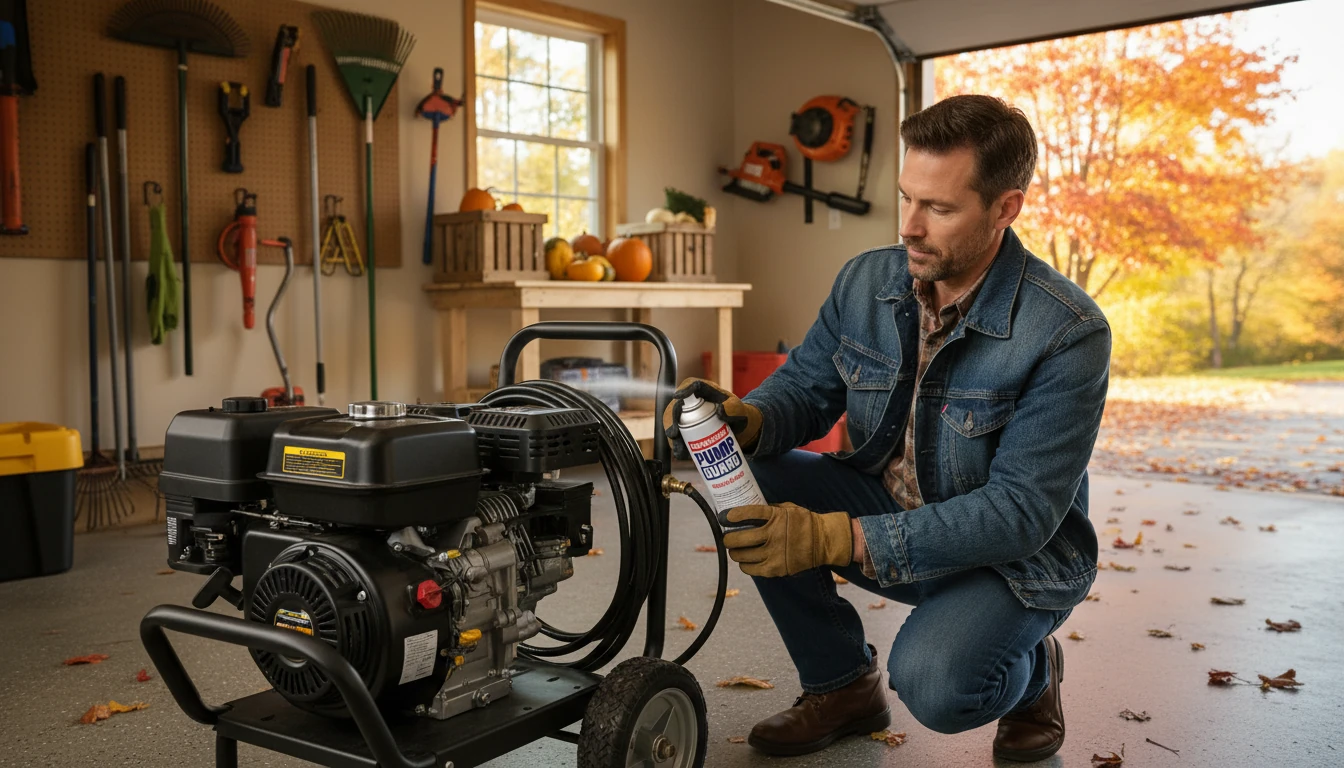
What is a Pressure Washer Pump Guard and Why Do You Need It?
A pressure washer pump guard (often called a "pump saver" or "pump armor") is a specialized pressurized aerosol or liquid solution designed to displace water and coat the internal components of a pump. Unlike standard engine antifreeze, these products are formulated with a blend of lubricants and corrosion inhibitors specifically designed for the high-tolerance seals and valves found in axial and triplex pumps.
Preventing Ice Expansion Damage
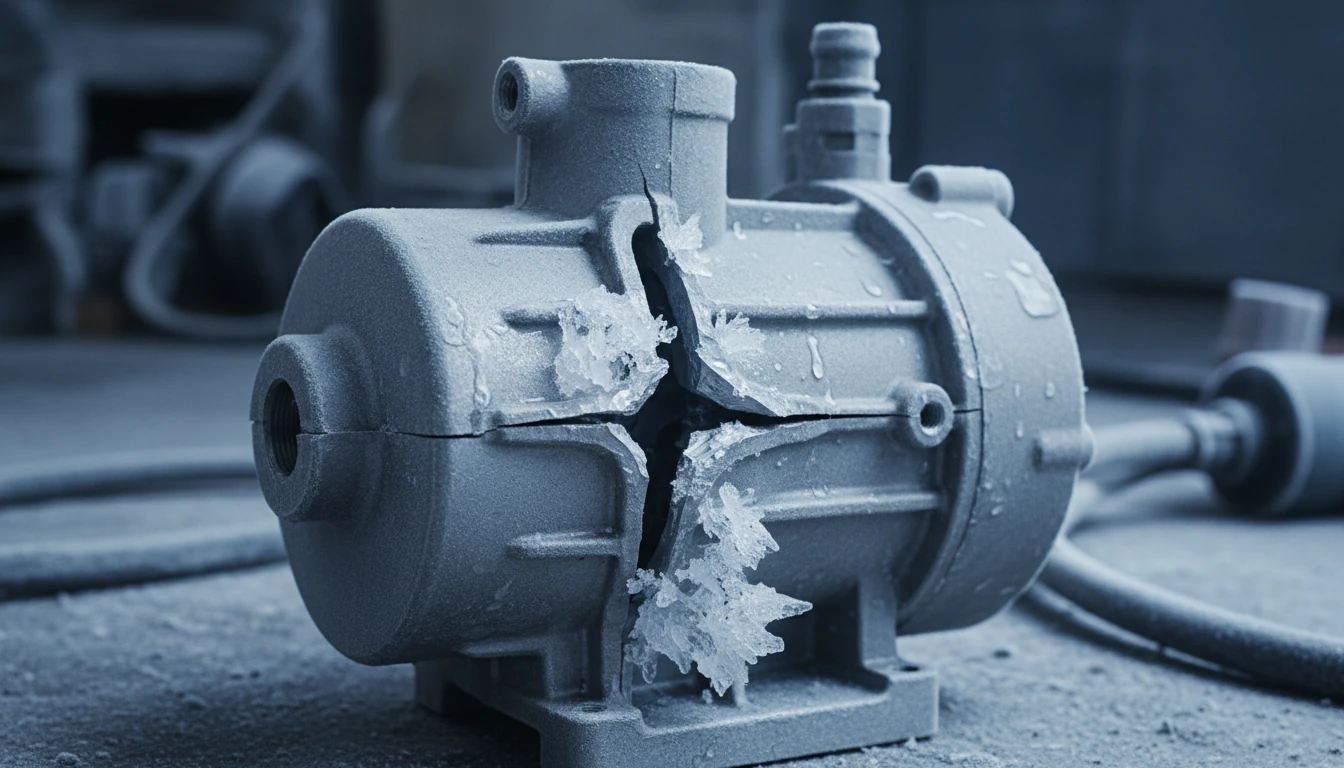
Water is one of the few substances that expands as it freezes. Even if you "tip" your pressure washer to drain it, small pockets of water remain trapped inside the pistons and the unloader valve assembly. When this water turns to ice, it exerts thousands of pounds of pressure against the metal casing. This leads to hairline fractures in the aluminum or brass pump head, which will only become apparent once you pressurize the system again in the spring.
Lubricating Seals and Valves
Beyond freeze protection, a quality pump guard prevents the internal seals from drying out and becoming brittle. Over months of storage, residual minerals in hard water can lead to calcium buildup and oxidation. The lubricants in a pump guard keep the O-rings supple and prevent the check valves from sticking, ensuring that your machine starts with full pressure on the first pull of the season.
Key Features to Look for in a Quality Pump Protector
Not all winterization products are created equal. When shopping for the best anti-freeze for pressure washer pumps in cold climates, you need to consider more than just the price point. The chemical composition matters significantly for the longevity of your equipment.
Biodegradability and Eco-Friendliness
Most modern homeowners prefer biodegradable pressure washer pump protector reviews when making a purchase. Since the product is flushed out of the machine and onto your driveway or lawn during the first use in spring, using a non-toxic, eco-friendly formula is essential. Look for products that explicitly state they are safe for the environment and won't harm local groundwater.
Freeze Protection Thresholds
Standard pump guards are usually rated to protect down to -25°F or even -50°F. If you live in the Upper Midwest or Canada, verify that the product you choose can handle extreme sub-zero temperatures. A higher concentration of propylene glycol is typically found in high-performance guards designed for the harshest winters.
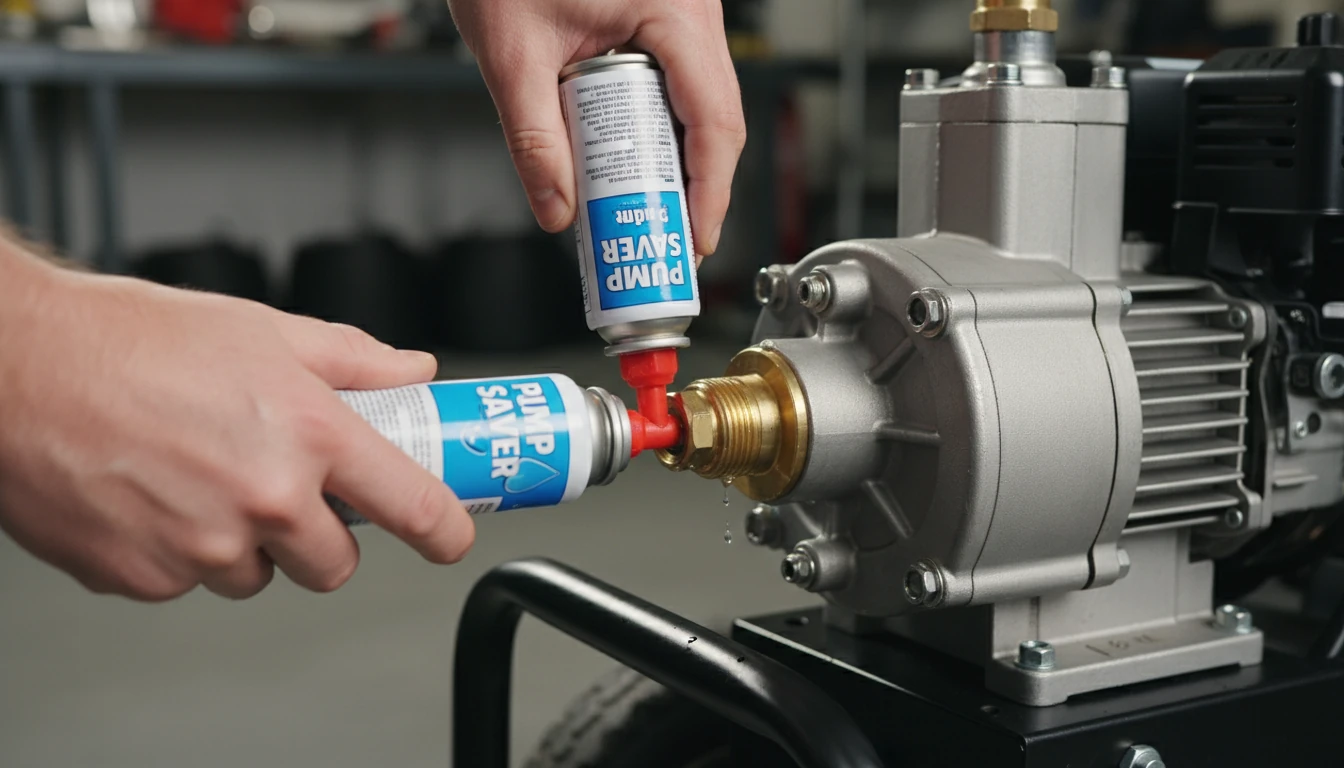
7 Best Pressure Washer Pump Guards for Winter Storage (2026 Reviews)
Based on durability testing, ease of application, and seal compatibility, here are the top recommendations for the upcoming season.
- 1. Briggs & Stratton Pump Saver: The industry standard. This 16-ounce aerosol can is widely considered the most reliable option for gas engines. It uses a unique formula that provides both lubrication and anti-freeze protection.
- 2. STA-BIL Pump Protector: Known for their fuel stabilizers, STA-BIL’s pump guard is excellent at preventing mineral deposits and is highly recommended for those with hard well water.
- 3. Simpson Premium Pump Guard: If you own a Simpson or any machine with an AAA pump, this is the manufacturer-recommended choice. It’s specifically formulated for high-pressure triplex pumps.
- 4. Karcher Pump Guard: The best option for electric pressure washers. It comes in a convenient 16oz bottle that threads directly onto the garden hose inlet.
- 5. Mi-T-M Pump Savior: A professional-grade solution often used by contractors. It offers some of the best corrosion resistance on the market.
- 6. G-Clean Pump Protector: The top-rated biodegradable pressure washer pump protector. It uses plant-based oils to lubricate seals without leaving a toxic footprint.
- 7. Campbell Hausfeld Pump Runner: A budget-friendly but highly effective aerosol that works well for light-duty residential machines.
Best for Gas-Powered Engines
For gas units, the Briggs & Stratton Pump Saver remains the king. Because gas engines vibrate more and often sit in uninsulated sheds, they need the heavy-duty coating provided by the aerosolized pressurized delivery system. It ensures the product reaches the furthest recesses of the pump head.
Best for Electric Pressure Washers
Many users ask: is pressure washer pump guard necessary for electric models? The answer is a resounding yes. While electric models are smaller, their internal plastic and light-alloy components are even more susceptible to ice damage than heavy-duty gas units. The Karcher Pump Guard is ideal here because it is easy to apply and doesn't require "bumping" a heavy combustion engine to circulate.
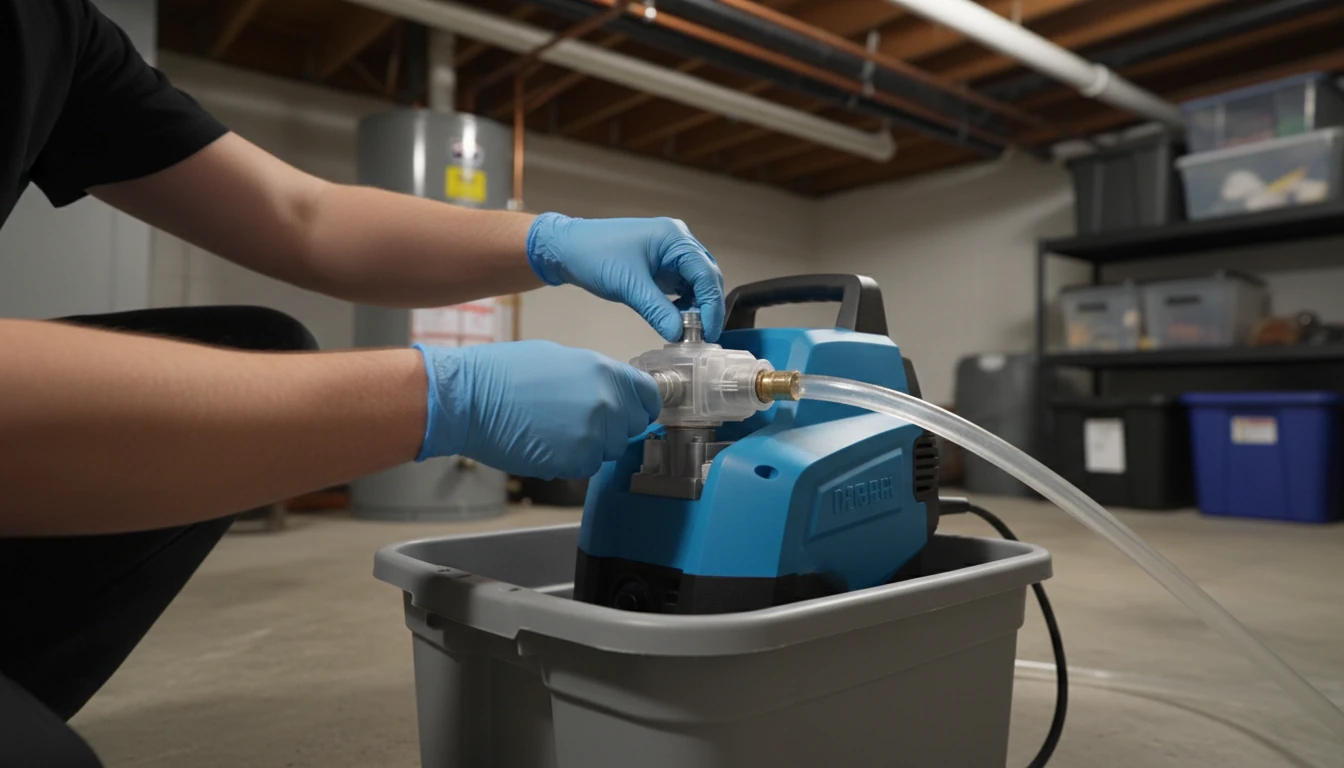
Step-by-Step Guide: How to Apply Pump Guard Before the First Freeze
Learning how to winterize a gas pressure washer with pump guard is a five-minute process that can save you hundreds of dollars. Follow these steps to ensure total protection.
- Step 1: Drain the system. Turn off your water supply and disconnect the garden hose. Squeeze the spray gun trigger to release any residual pressure.
- Step 2: Disconnect the high-pressure hose. Remove the hose that leads to the spray gun. You want the pump guard to exit through the high-pressure outlet, not get stuck in the hose or gun.
- Step 3: Attach the Pump Guard. Most cans come with a threaded nozzle. Screw this directly onto the water inlet (where the garden hose usually goes).
- Step 4: Apply the product. Press the button on the aerosol can. If you are using a gas model, pull the recoil starter rope (the "pull cord") 2-3 times while the product is being sprayed. Do not start the engine. You just want to cycle the pistons. For electric models, turn the unit on for 1-2 seconds until the white foam exits the high-pressure outlet.
- Step 5: Wipe down and store. Once white foam or liquid emerges from the outlet, the pump is fully coated. Remove the can and wipe any excess foam off the frame.
For those using specific brands, how to use Briggs & Stratton pump saver is identical to the steps above. The goal is always to see that white lubricant/antifreeze mixture exiting the pump outlet.
Comparison: Pump Guard vs. Standard RV Antifreeze
A common diy pressure washer winterization tip for homeowners is to use pink RV antifreeze. While RV antifreeze (propylene glycol) is chemically safe and won't freeze, it lacks the lubricants found in dedicated pump guards. RV antifreeze is designed for plastic plumbing lines, not high-speed mechanical pistons. Furthermore, applying RV antifreeze requires a funnel and a short piece of hose, making it much more cumbersome than the "screw and spray" aerosol cans designed for pressure washers.
Common Mistakes That Ruin Pressure Washers During Winter
Even with the best intentions, errors happen. Avoid these pitfalls:
- Forgetting the Spray Gun: While the pump is protected, water often remains in the spray gun and wand. Bring the gun and wand inside the house to prevent the internal valves from cracking.
- Storing Outdoors: Even with pump guard, extreme temperature fluctuations can cause condensation inside the gas tank, leading to rust. Always store in a garage or shed if possible.
- Using Automotive Antifreeze: Never use green automotive antifreeze (ethylene glycol). It is toxic and can damage the rubber seals inside the pump.
- Neglecting the Fuel: Winterization isn't just about the pump. Ensure you add fuel stabilizer to the gas tank or drain the fuel entirely to prevent carburetor clogs.
Frequently Asked Questions About Pump Maintenance
How long can pump guard stay inside a pressure washer?
Most manufacturers state that pump guard can safely remain inside the unit for up to 12 months. It is designed to stay there until your next use. When you are ready to wash in the spring, simply hook up your garden hose and run the machine; the water will flush out the guard in seconds.
What are the signs of frozen pressure washer pump damage and how to fix?
Signs include a pump that won't build pressure, water leaking from the bottom of the pump casing, or a motor that hums but won't turn. Unfortunately, "fixing" a frozen pump usually requires replacing the entire pump assembly or the thermal relief valve if you are lucky.
What is the difference between pump protector and pump cleaner?
A pump protector is for long-term storage and freeze protection. A pump cleaner is a detergent-based solution used during the season to break down mineral deposits. They are not interchangeable; a cleaner will not protect against freezing.
Are there specific Simpson pressure washer winter storage instructions?
Simpson recommends using their "Premium Pump Guard" and specifically emphasizes removing the soap siphon tube from any chemical tanks to ensure no corrosive detergents sit in the lines over winter.
Conclusion: Investing in Prevention to Save Hundreds on Repairs
In the world of home maintenance, the best pressure washer pump guard for winter storage is perhaps the highest-ROI purchase you can make. For less than $15, you are protecting a machine that costs hundreds. Whether you choose the classic Briggs & Stratton formula or an eco-friendly biodegradable option, the act of displacing water and lubricating your seals is the difference between a successful spring cleaning and a frustrating trip to the repair shop.
Don't wait for the first snow forecast to act. Make winterizing your pressure washer a standard part of your end-of-season routine. Your pump—and your wallet—will thank you when the warm weather returns.