How to Winterize Electric Pressure Washer with Pump Saver: 2026 Guide
As the autumn leaves begin to fall across the United States, homeowners everywhere are preparing their properties for the harsh winter months ahead. While many remember to drain their garden hoses and shut off exterior spigots, one of the most frequently overlooked pieces of equipment is the electric pressure washer. Failing to properly prepare this tool for freezing temperatures is a mistake that often results in a cracked pump housing and a costly trip to the hardware store come spring.
Learning how to winterize electric pressure washer with pump saver is not just a suggestion; it is a critical maintenance step that protects your investment. Whether you own a high-end unit or a budget-friendly model, the internal components of an electric pump are surprisingly delicate. Water trapped inside the pump expands as it freezes, exerting thousands of pounds of pressure against the metal or plastic casing. This guide will walk you through the professional process of using pump guard technology to ensure your machine survives the 2024-2026 winter seasons unscathed.
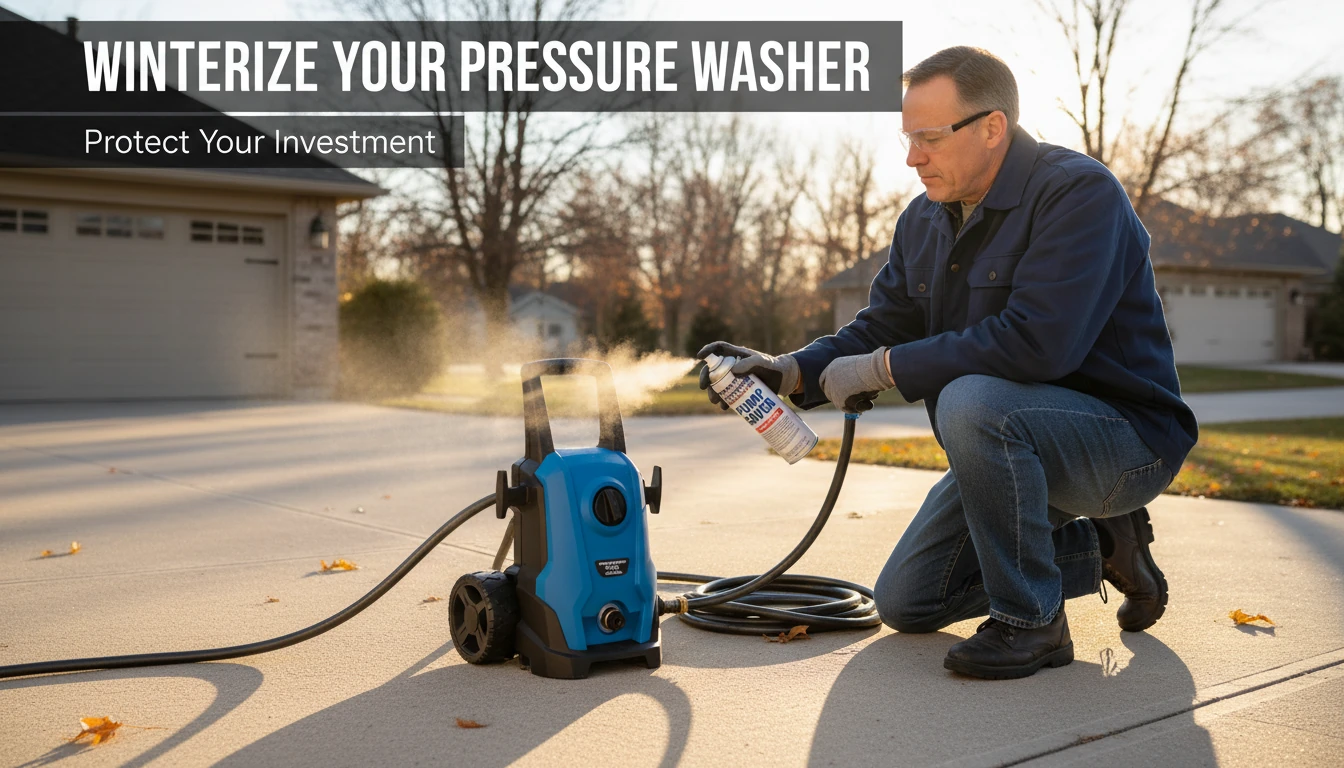
Why Pump Saver is Essential for Electric Units
You might wonder why simply draining the water out isn't enough. The reality is that the internal geometry of an electric pressure washer pump is incredibly complex. There are numerous small valves, pistons, and seals where water can remain trapped even after you have disconnected the hoses and "drained" the unit. Using the best pump saver for electric pressure washer 2024 versions provides a two-fold benefit: it displaces remaining water with an anti-freeze solution and coats the internal seals with a lubricant to prevent them from drying out and cracking.
Without this protection, you risk internal corrosion. Even if the pump doesn't crack from ice expansion, mineral deposits from your water supply can harden over the winter, seizing the pump’s internal valves. When you pull the trigger in April, the motor may hum, but no water will flow—a classic sign of a seized pump caused by poor winterization habits.
Step-by-Step Guide: How to Winterize Electric Pressure Washer with Pump Saver
To begin the process, ensure you have a clean workspace and the necessary supplies. You will need a can of pressurized pump guard (brands like Briggs & Stratton, STA-BIL, or manufacturer-specific ones work well) and a small bucket. Follow these steps meticulously:
- Disconnect All Accessories: Remove the high-pressure hose, the spray gun, and the wand. Drain these separately by hanging them vertically so gravity can pull out any remaining moisture.
- Purge the Pump: Turn the water supply off but keep the machine plugged in for a brief second. Turn the power switch to "ON" for no more than 5-10 seconds while tilting the unit to force out as much standing water as possible. Warning: Do not run an electric pressure washer "dry" for more than a few seconds, as the pump relies on water for cooling and lubrication.
- Prepare the Pump Saver: Remove the cap from your pump guard can. Most cans come with a threaded nozzle that fits directly into the water inlet (where your garden hose usually connects).
- Inject the Fluid: Screw the pump saver nozzle into the water inlet. Press the button on top of the can. You will hear the fluid rushing into the pump.
- Monitor the Outlet: Continue spraying the pump guard into the machine until you see a white, soapy foam or the colored liquid exiting the high-pressure outlet. This indicates that the air and water have been fully displaced by the protective solution.
- Final Seals: Once the pump is full, disconnect the can. Wipe away any excess fluid from the exterior of the machine to prevent staining.
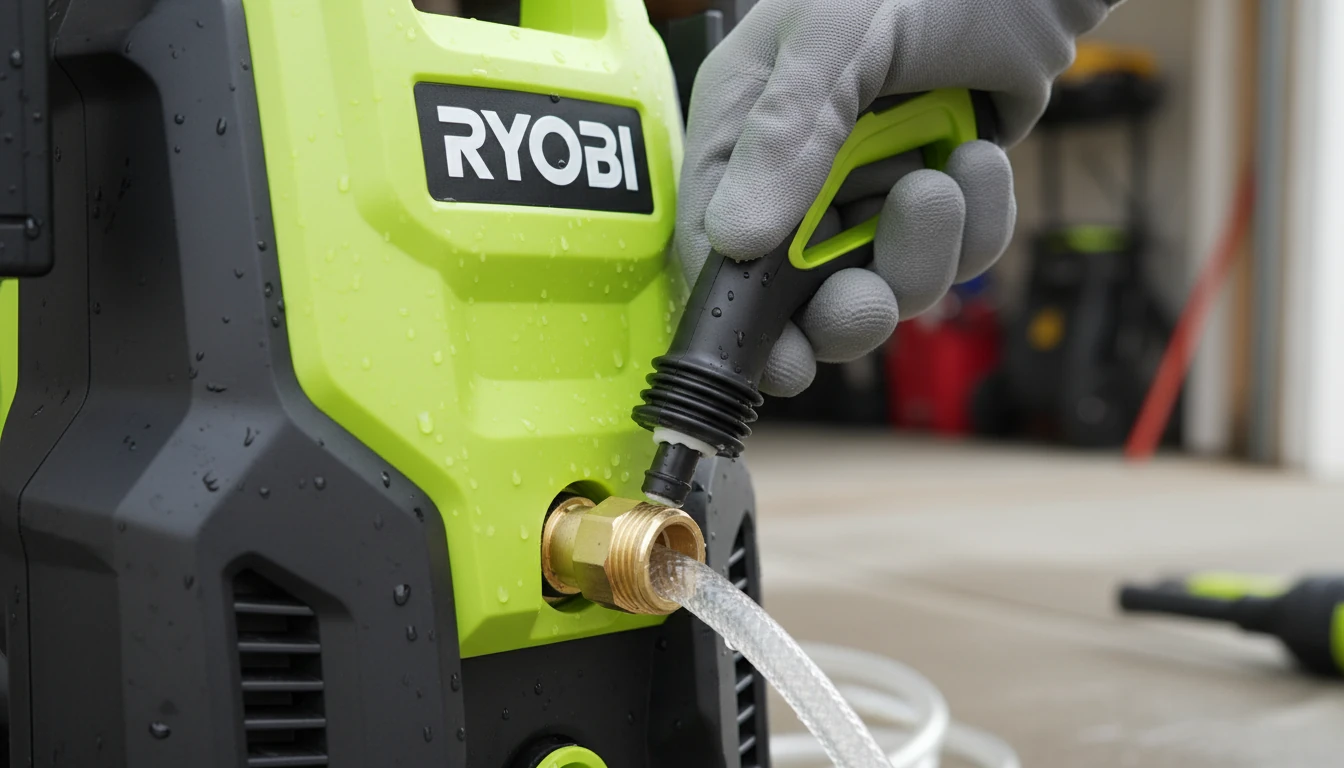
Brand Specific: Winterizing Ryobi Electric Pressure Washer Instructions
Ryobi is one of the most popular brands in the US market, known for its portability. If you are following winterizing Ryobi electric pressure washer instructions, pay close attention to the soap tank. Ryobi units often feature an on-board detergent tank that many users forget to clean. Before adding pump saver, fill the detergent tank with clean water and run the machine for a minute to flush out any chemical residue. This prevents the soap from coagulating and clogging the internal injector over the winter.
For Ryobi brushless models, the internal tolerances are even tighter. It is highly recommended to use the official Ryobi Pump Protector, though universal brands are generally compatible. Ensure that the Ryobi unit is stored upright after the pump guard has been applied to keep the seals submerged in the lubricant.
Using Sun Joe Pump Saver Guard Effectively
If you own a Sun Joe SPX series, you likely know they are workhorses. However, their pumps are sensitive to mineral buildup. When learning how to use Sun Joe pump saver guard, the process is very similar to the general steps, but with one caveat: Sun Joe recommends ensuring the "Total Stop System" (TSS) is completely deactivated. This means the unit must be turned off and unplugged before you inject the pump guard.
Sun Joe units often have a plastic water inlet. Be careful not to cross-thread the pump saver nozzle when screwing it on. If the nozzle doesn't fit perfectly, you can use a short leader hose to bridge the gap. Using the pressure washer winterization kit for freezing temperatures specifically designed for Sun Joe can help prolong the life of the unique O-rings used in these machines.
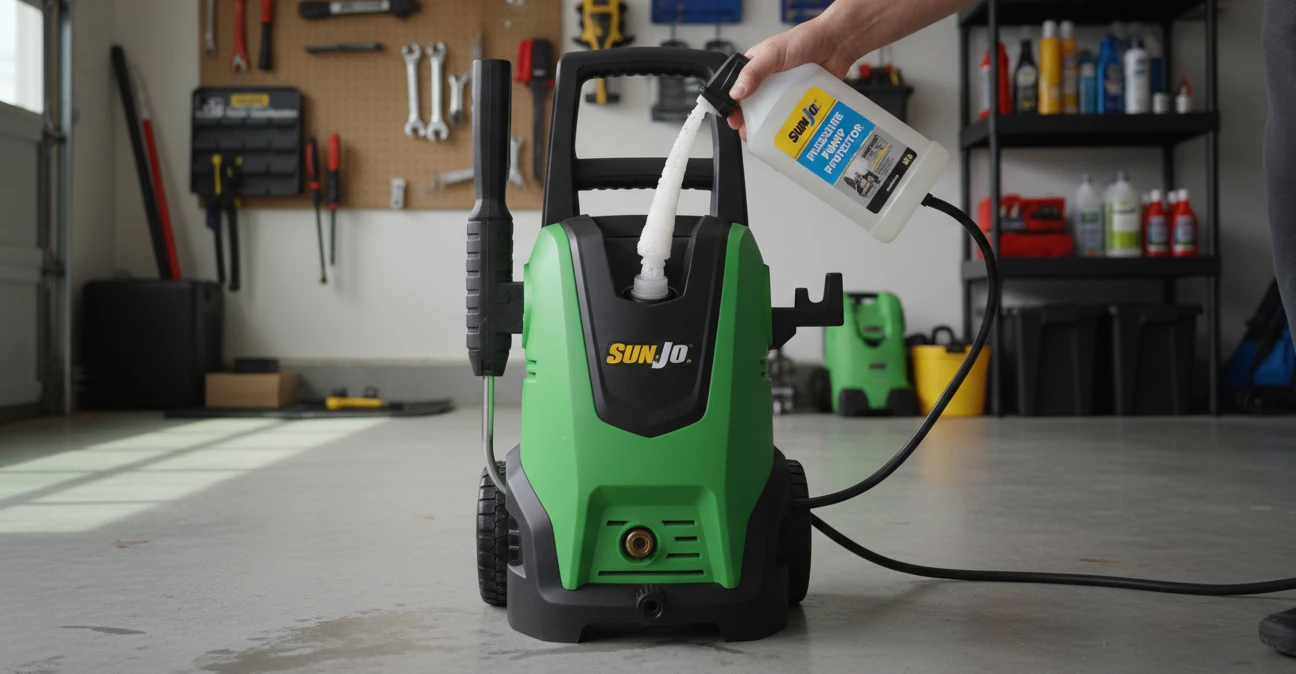
Can I Use RV Antifreeze in Electric Pressure Washer?
A common question among DIYers is: can I use RV antifreeze in electric pressure washer? The short answer is yes, but the method is different. Unlike a pressurized can of pump guard, RV antifreeze (the pink stuff) is not pressurized. To get it into your pump, you will need a short section of garden hose and a funnel.
Hold the funnel above the level of the pump, pour the RV antifreeze in, and briefly turn the machine on until the pink fluid shoots out the discharge side. While effective at preventing freezing, RV antifreeze does not always contain the same concentrated lubricants found in dedicated pump savers. If you choose this route, ensure you are using "non-toxic" propylene glycol-based RV antifreeze, as it is safer for the environment when you flush the system in the spring.
How to Store Greenworks Pressure Washer in Unheated Garage
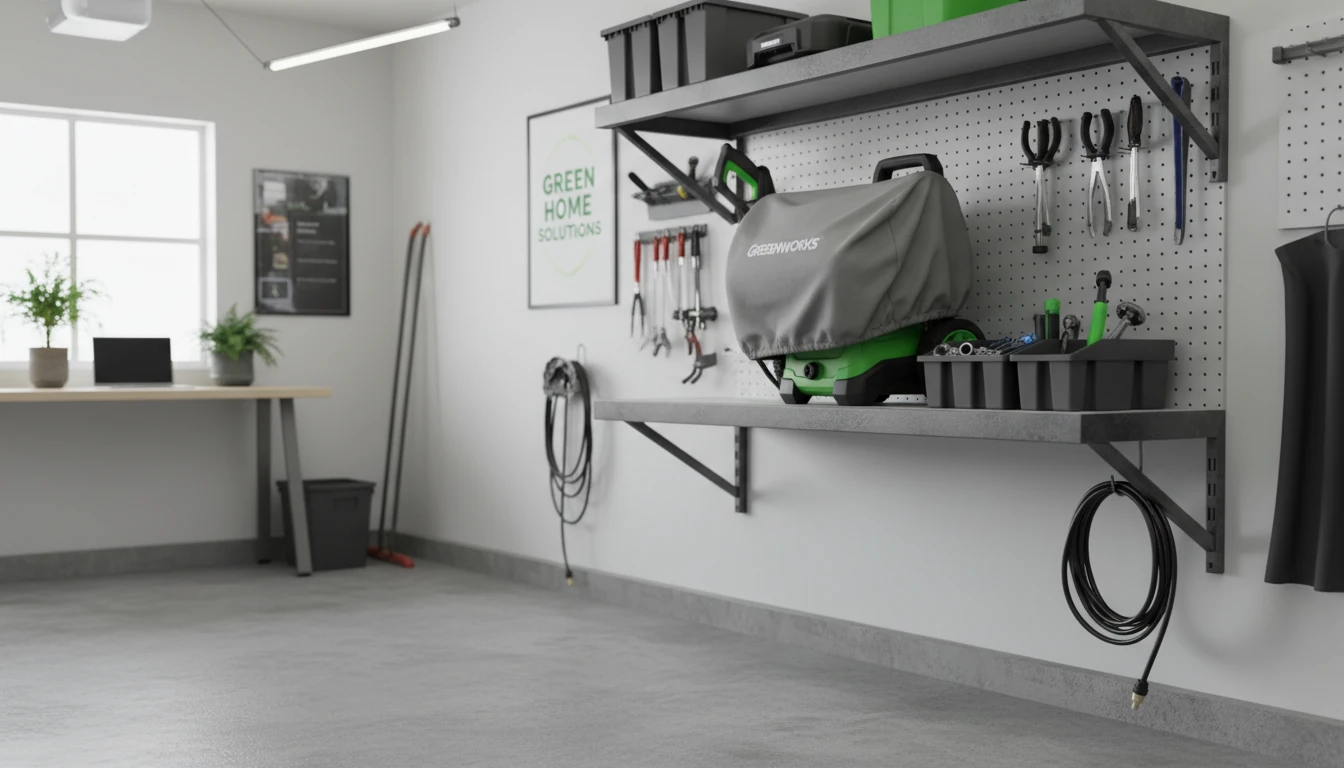
Greenworks machines are staples in many suburban garages. If you are wondering how to store Greenworks pressure washer in unheated garage, you must realize that even with pump guard, extreme cold can still affect the plastic housing. While the pump guard prevents the pump from bursting, the plastic body of the machine can become brittle in sub-zero temperatures.
If possible, once the pump has been winterized, store the unit in a basement or a climate-controlled "mudroom." If an unheated garage is your only option, wrap the unit in an old moving blanket. This provides a small buffer against rapid temperature fluctuations. Always ensure the how much pump guard to use for winter storage guidelines are followed—typically, 2 to 3 ounces is enough to fill the pump, but using half a can ensures total coverage.
Signs of Cracked Pressure Washer Pump from Freezing
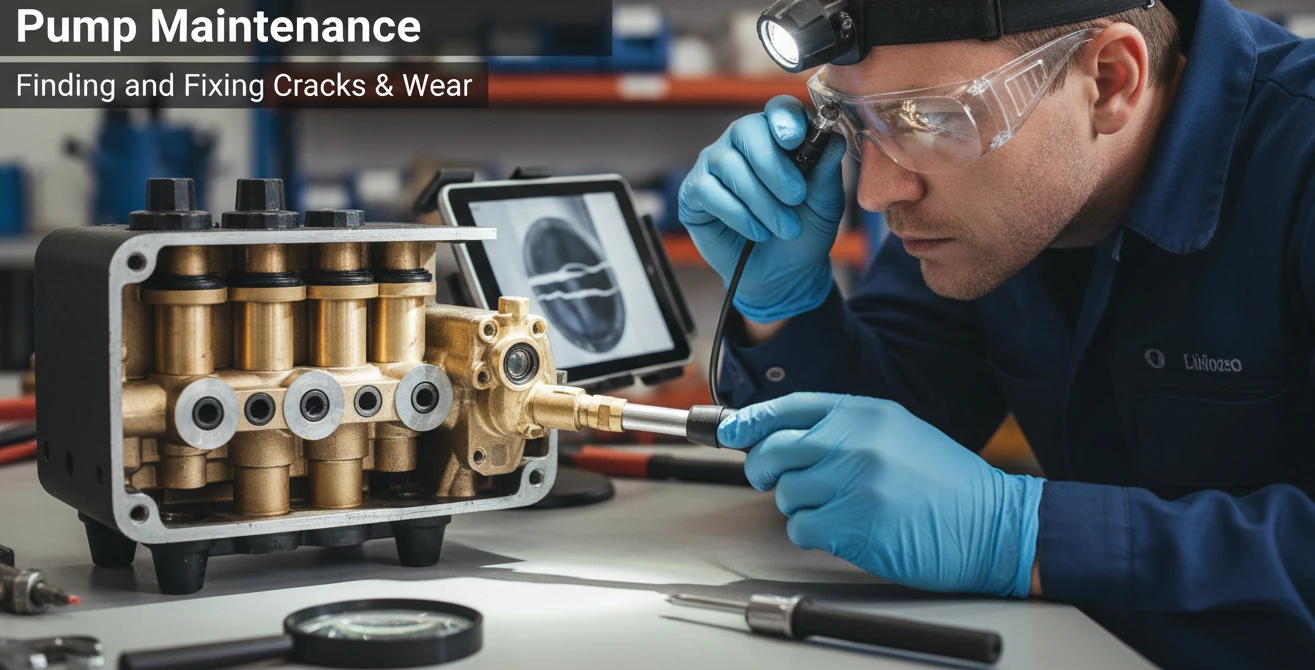
If you forgot to winterize and the temperature dropped below 32°F (0°C), you may be facing damage. The signs of cracked pressure washer pump from freezing aren't always visible from the outside. Often, the crack is internal, or it occurs in a spot hidden by the plastic shroud.
- Water Leaking from the Case: If you see water pooling under the machine's motor housing as soon as you connect the hose in the spring, the pump manifold is likely cracked.
- Loss of Pressure: A hairline fracture might allow the machine to run, but it won't be able to build full PSI because it is sucking air or losing water internally.
- Pulsing: If the motor cycles on and off rapidly when the trigger is not pulled, there is an internal leak causing a pressure drop.
- Oil Emulsification: In higher-end electric units with oil-filled pumps, a freeze can break the seals between the water and oil chambers, leading to "milky" looking oil.
Electric Pressure Washer Pump Maintenance Checklist
To ensure your machine lasts for a decade rather than just a few seasons, follow this electric pressure washer pump maintenance checklist every year before the first frost:
- Inspect the Inlet Screen: Remove the filter screen where the garden hose connects. Clean out any sediment or sand that could enter the pump.
- Check O-Rings: Inspect the O-rings on your high-pressure hose and wand. If they are flattened or cracked, replace them now so they are ready for spring.
- Flush the Soap System: Preventing internal corrosion in pressure washer pumps during winter starts with removing caustic detergents.
- Apply Pump Guard: As detailed above, use a pressurized lubricant/antifreeze.
- Store Indoors: If you live in a state like Minnesota or Maine, the "unheated garage" strategy is risky even with antifreeze. Move it to the basement.
- Coil Hoses Loosely: Do not tightly kink your hoses during storage, as the rubber can set in that position over several months of cold.
The Cost of Neglect vs. The Cost of Protection
In the United States, a mid-range electric pressure washer costs between $150 and $300. A single can of pump saver costs approximately $10 to $15 and usually lasts for two winter seasons. From a purely financial perspective, spending $7.50 a year to protect a $200 tool is a no-brainer. Beyond the money, there is the frustration of planning a big spring cleaning project only to find your equipment is broken.
By following this 2026 guide on how to winterize electric pressure washer with pump saver, you are taking the most important step in home equipment maintenance. Whether it's a Ryobi, Sun Joe, or Greenworks, these machines are designed to serve you well for years, provided you don't let the laws of physics—specifically the expansion of freezing water—destroy them from the inside out.
Remember, the best time to winterize is as soon as your last fall project is finished. Don't wait for the "big freeze" predicted on the local news; by then, it might already be too late. Take fifteen minutes this weekend, grab a can of pump guard, and give your pressure washer the protection it needs to survive the winter and power through your spring cleaning tasks next year.