Pressure Washing Prices Per Hour: Average Rates (2026 Guide)
When you start looking at cleaning up your home's exterior, the first question usually isn't about the PSI or the nozzle size it’s about the wallet. Specifically, how much of a dent will hiring a pro make? Understanding pressure washing prices per hour is the baseline for most homeowners and property managers trying to budget for the season. While the industry is shifting toward flat-rate pricing for transparency, hourly rates remain the backbone of how contractors calculate their costs behind the scenes.
Currently, the national average for professional pressure washing falls between $60 and $150 per hour per technician. However, that number is a moving target. It shifts based on where you live, the complexity of the equipment being used, and whether you are asking for a simple driveway rinse or a delicate soft wash on a three-story Victorian. To get an accurate estimate, you have to look beyond the raw number and understand what that hour of labor actually buys you in terms of expertise, chemicals, and liability coverage.
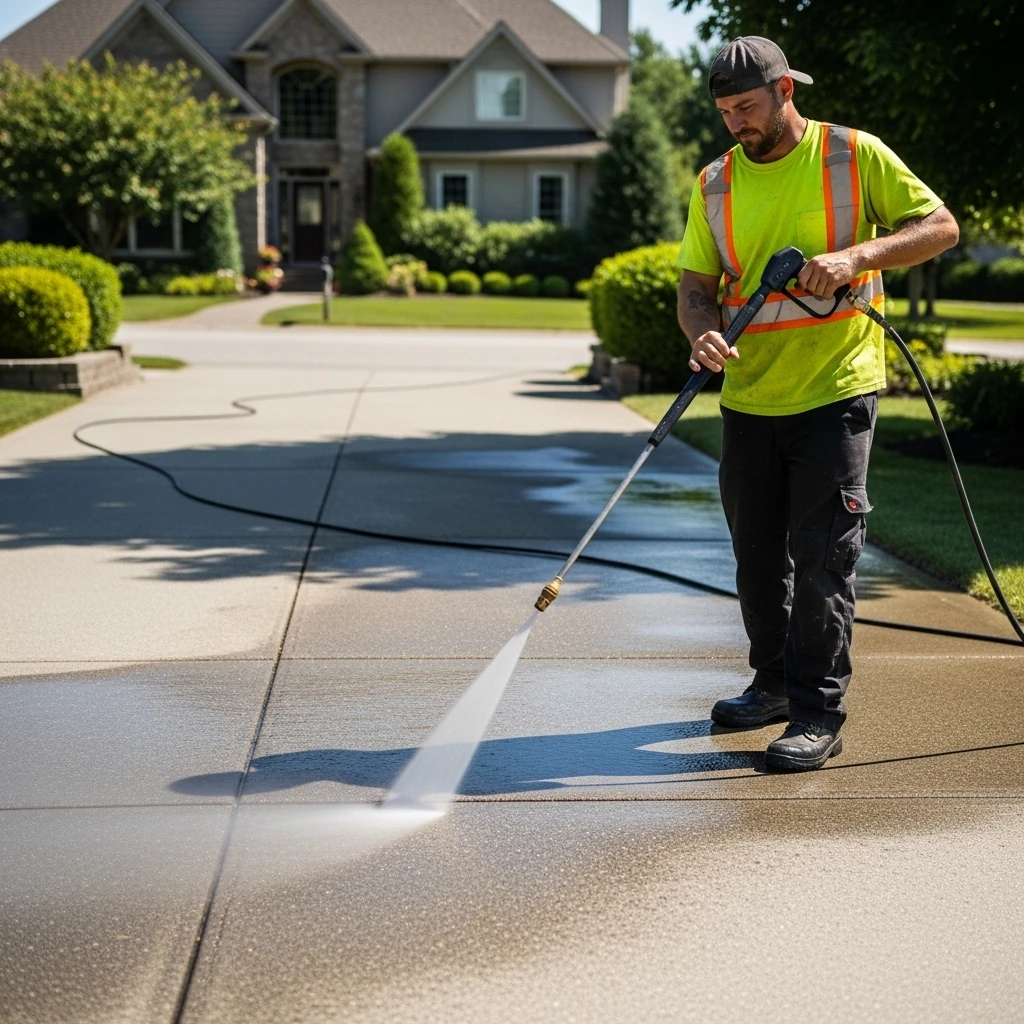
The Core Breakdown: What Determines the Hourly Rate?
If you see a quote for $100 per hour, it’s easy to think, "That’s more than a mechanic!" But a pressure washing business isn't just charging for a person's time. The rate covers a massive overhead that ensures your property isn't damaged during the process. Professional pressure washing prices per hour incorporate several hidden costs that a DIY rental simply doesn't account for.
First, there is the equipment depreciation. Commercial-grade units, often skid-mounted on trucks or trailers, cost anywhere from $5,000 to $15,000. These machines provide the "GPM" (Gallons Per Minute) necessary to clean efficiently. A low-flow machine takes three hours to do what a high-flow machine does in one. Therefore, a higher hourly rate often signifies a faster, more efficient job. Secondly, insurance is a major factor. If a technician falls off a ladder or blows a hole through your window screens, you want to ensure they have high-limit general liability and workers\' comp. That peace of mind is baked into the hourly fee.
Soft Washing vs. High-Pressure Washing Hourly Rates
One of the biggest misconceptions is that all "power washing" is the same. The hourly rate for soft washing vs high-pressure washing services usually differs because of the chemistry involved. Soft washing uses low pressure barely more than a garden hose combined with specialized biodegradable surfactants and sodium hypochlorite to kill mold, algae, and lichen at the root.
- High-Pressure Washing ($60 - $125/hr): Ideal for hard surfaces like concrete, brick, and stone. It relies on mechanical force.
- Soft Washing ($100 - $175/hr): Necessary for roofs, siding, and wood decks. The higher cost reflects the expense of the chemical solutions and the specialized pumps required to apply them safely.
Regional Price Variations: Texas vs. California
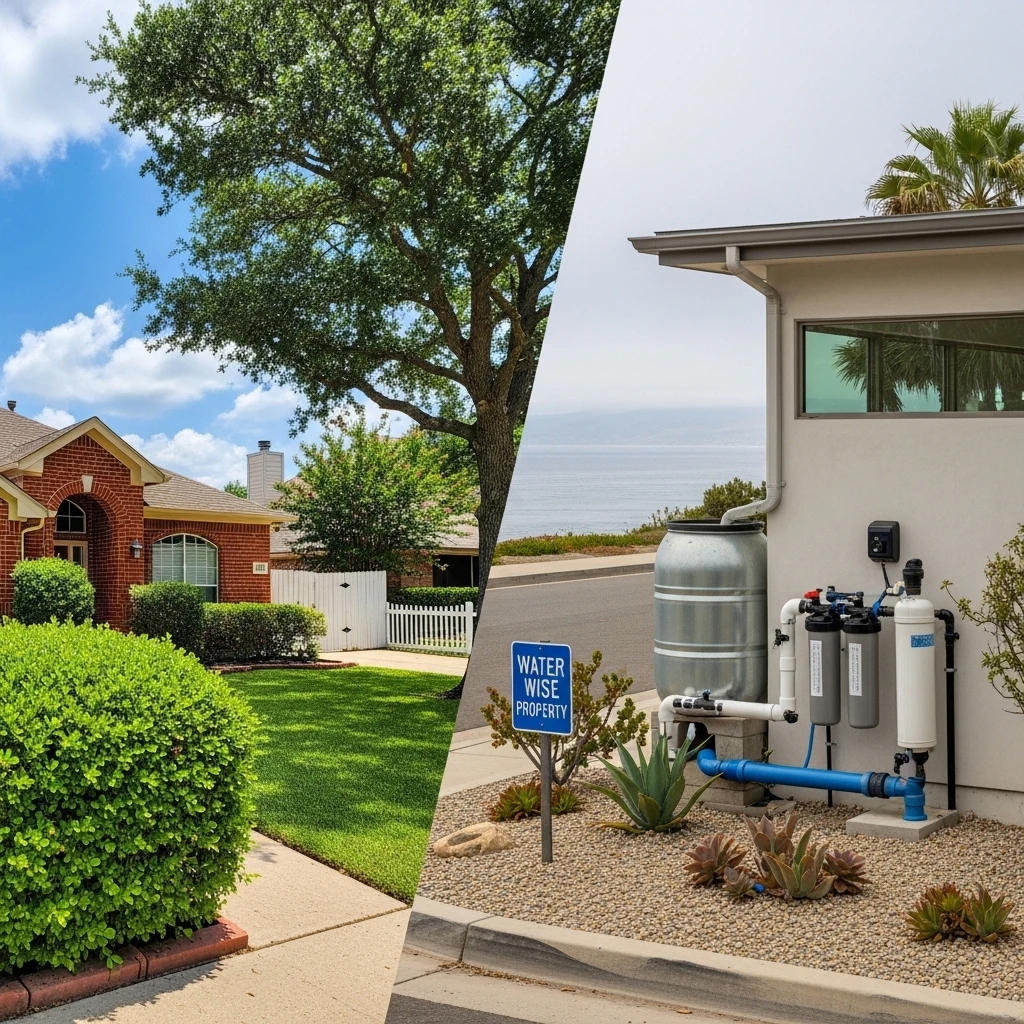
Geography plays a massive role in what you’ll pay. If you’re looking at the average cost of professional house pressure washing per hour in Texas, you might find rates leaning toward the $75 to $110 range. The market in Texas is highly competitive, and the longer cleaning season allows companies to spread their overhead across more months. However, the heat and humidity in the Gulf Coast regions lead to faster organic growth, meaning jobs often require more intensive chemical treatments, which can nudge the price up.
In contrast, the typical hourly rate for driveway pressure washing in California is significantly higher, often starting at $120 and reaching $200 per hour. Why the jump? California has some of the strictest environmental regulations in the country. Pros in the Golden State must often use water reclamation systems to prevent runoff from entering storm drains. These systems are expensive to buy and time-consuming to set up, and that cost is passed directly to the consumer. Furthermore, the cost of living and labor in metros like San Francisco or Los Angeles pushes the baseline for any service trade upward.
Is it Cheaper to Hire by the Hour or by the Job?
When homeowners ask, is it cheaper to hire pressure washing by the hour or by the job, the answer usually favors the "by the job" (flat rate) model for the consumer. Most reputable companies prefer to give a flat quote because it protects both parties. If a contractor quotes $400 for a house wash and it takes them five hours because of a stubborn algae patch, you still pay $400. If they worked by the hour at $100, you\'d be out $500.
However, hourly rates are excellent for "maintenance" lists. If you have a list of small tasks cleaning a patio, washing the garden furniture, and rinsing the front walkway hiring a pro for a four-hour block can be more economical than paying individual flat rates for five different small projects. In 2026 and heading into 2026, many companies are offering "half-day" or "full-day" rates to simplify this for large residential estates.
Pressure Washing Hourly Rates vs Flat Rate Comparison 2026
The 2026 market data suggests that flat-rate pricing typically averages out to about 15% more than the raw hourly labor cost, but it includes the "contingency" for unexpected issues. If you are a property manager, hourly rates for commercial jobs provide more flexibility for recurring maintenance where the scope might change slightly each month.
Roof Cleaning vs. Power Washing: Why the Price Gap?
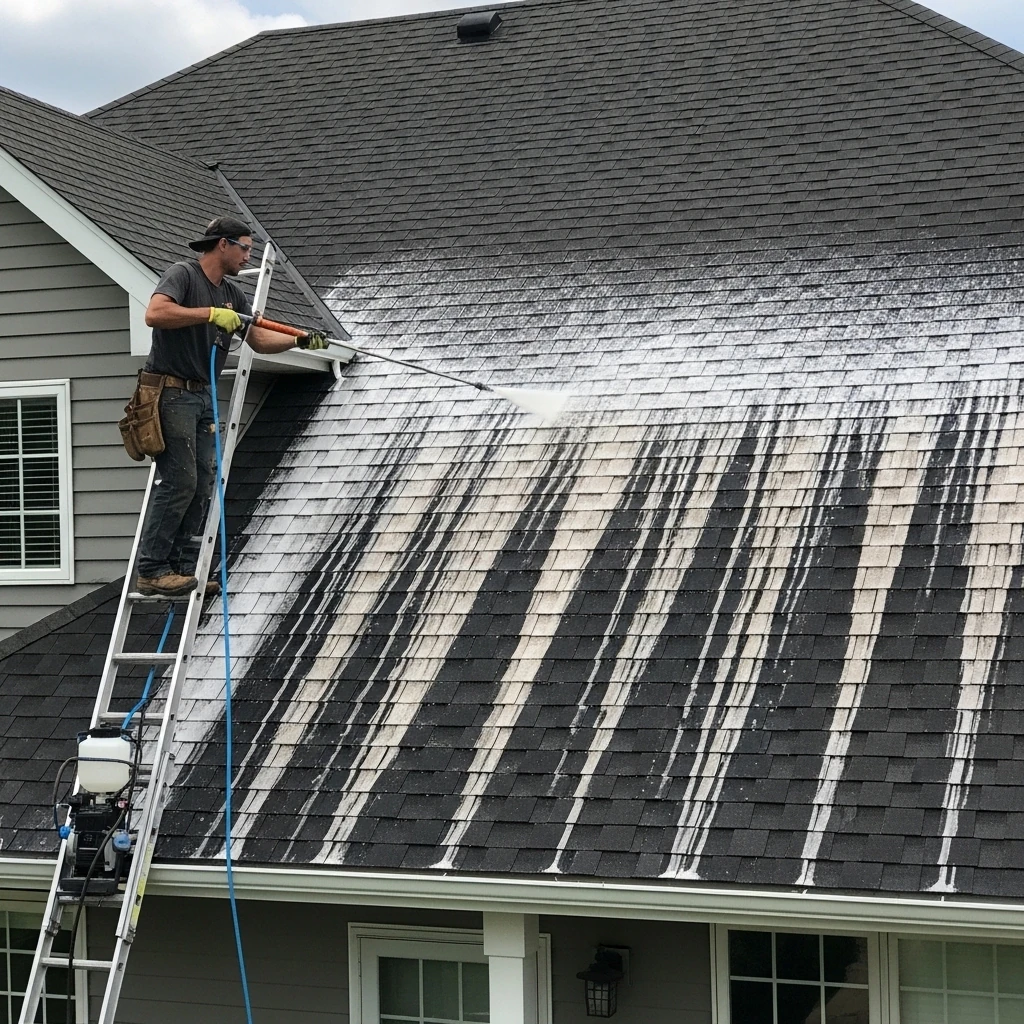
There is a significant price delta when comparing how much do roof cleaning services charge per hour vs power washing. Roof cleaning is inherently more dangerous and requires more technical skill. You aren't just spraying water; you are managing "hot" chemical mixes that could kill the landscaping below if not properly neutralized. Most roof cleaning is billed at $150 to $250 per hour, or more commonly, by the square foot (roughly $0.30 to $0.60 per sq. ft.).
Because of the risk of falls and the liability of walking on shingles (which can crack or lose granules), insurance premiums for roof-specific work are much higher. If a company offers to wash your roof for the same hourly rate they charge for your driveway, proceed with extreme caution. They likely lack the proper insurance or the correct soft-wash equipment, which could lead to a voided roof warranty.
Specialized Projects: Decks and Commercial Jobs
The pressure washing cost per hour for deck restoration in the Northeast is a unique category. Unlike concrete, wood is a "living" substrate. In the Northeast, where winters are harsh and humidity is high, decks often suffer from deep-seated rot and graying. Restoring these requires a multi-step process: cleaning, brightening (to reset the pH), and eventually staining. Hourly rates here often hover around $90 to $130, but the expertise required to avoid "furring" the wood the fuzzy texture caused by too much pressure is what you are really paying for.
Factors Affecting Pressure Washing Hourly Rates for Commercial Jobs
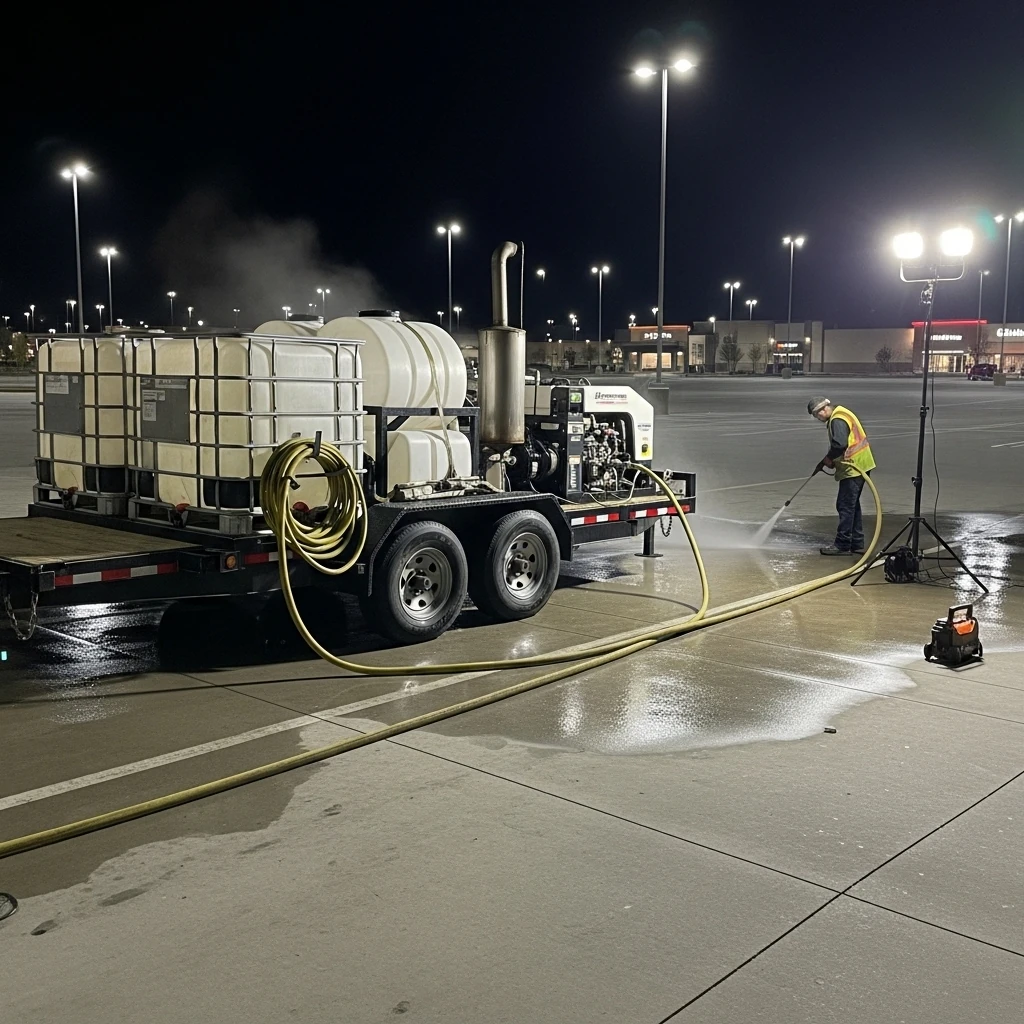
Commercial work is a different beast entirely. When looking at factors affecting pressure washing hourly rates for commercial jobs, scale and timing are everything. Commercial rates often drop per hour if the job is massive (like a parking garage), but they spike if the work must be done at night (2 AM to 6 AM) to avoid disrupting foot traffic. Additionally, commercial jobs often require higher insurance limits (often $2M to $5M) and specialized equipment like hot water burners to cut through grease and oil in restaurant drive-thrus.
- Accessibility: Do they need a boom lift? If so, the hourly rate might stay the same, but the equipment rental is a massive add-on.
- Water Access: If the site doesn't have a reliable water source, the contractor has to haul it in, adding significant logistical costs.
- Environmental Compliance: Dealing with oil-heavy runoff requires filtration mats and booms.
What Equipment Affects the Service Charge?
Not all pressure washers are created equal. When asking what equipment affects pressure washing service hourly charge, look at the "GPM" (Gallons Per Minute). A homeowner-grade machine from a big-box store usually puts out 2.0 to 2.5 GPM. A professional unit puts out 5.0, 8.0, or even 10.0 GPM.
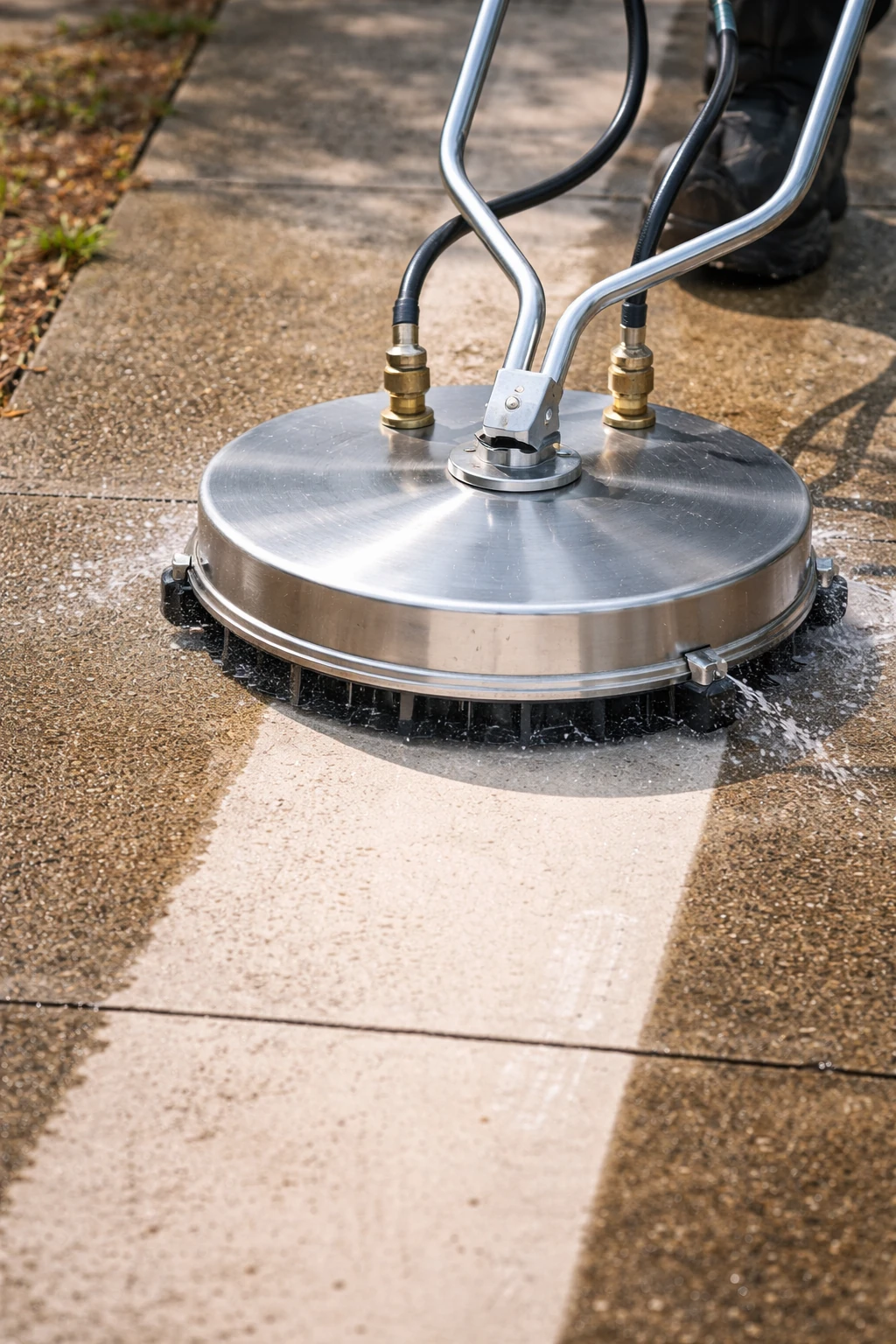
Why does this matter for the hourly price? Because water volume, not pressure, is what cleans surfaces. A high-GPM machine allows the technician to use a "surface cleaner" a rotating bar with two nozzles that can clean a wide swath of concrete in one pass. A technician with an 8-GPM machine can clean 1,000 square feet in a fraction of the time it takes a 2.5-GPM machine. If a pro is charging $150 an hour but has top-tier equipment, they are likely cheaper in the long run than a guy with a DIY unit charging $50 an hour who takes all day.
The Role of Hot Water Units
Hot water pressure washers are specialized tools used primarily for grease, oil, and chewing gum. These units use a diesel burner to heat water to 200 degrees Fahrenheit. The fuel costs and maintenance for these burners are high, so expect a 20-30% premium on the hourly rate when hot water is required.
Negotiating Hourly Rates for Large Properties
If you have a sprawling estate or a multi-unit complex, you might wonder how to negotiate pressure washing hourly rates for large properties. The best way to lower the hourly cost is to offer "efficiency." Contractors lose money on "windshield time" (driving between jobs). If you can provide 20 or 40 hours of work in a single location, you eliminate their travel costs and setup/breakdown time for multiple days.
Ask for a "day rate" rather than a strict hourly rate. Most pros are happy to discount their hourly equivalent if they know their truck doesn't have to move for three days. Another negotiation tactic is the "off-season" discount. In many climates, pressure washing slows down in late autumn or early spring. Booking during these shoulder seasons can often net you a 10-15% discount on the standard hourly rate.
Actionable Checklist: Hiring a Pro by the Hour
To ensure you get the most value for the pressure washing prices per hour you pay, follow this checklist before signing a contract:
- Verify the GPM: Ask what the flow rate of their machine is. If it’s under 4 GPM, they aren't truly "commercial."
- Check for Chemical Inclusion: Does the hourly rate include the cost of surfactants? Some contractors "nickel and dime" for chemicals on top of the labor.
- Review the Water Source: Clarify if they are using your water or bringing their own. If they use yours, expect a slightly lower hourly rate.
- Ask About "Setup Time": Does the clock start when they pull into the driveway or when the first drop of water hits the house? Reliable pros are transparent about this.
- Insurance Certificate: Don't just take their word for it. Have them email a COI (Certificate of Insurance) showing "Pressure Washing" as a covered class.
Conclusion: Value Over Price
Focusing solely on pressure washing prices per hour can be a trap. The goal isn't to find the person who costs the least per sixty minutes; it's to find the professional who provides the most value within those sixty minutes. A high-end technician with an 8-GPM machine, the right chemical knowledge to protect your landscaping, and the insurance to cover any mishaps is always a better investment than a cut-rate amateur.
As we move into 2026, the industry is becoming more specialized. From the water-conscious regulations in California to the mold-fighting requirements in Texas and the delicate deck needs of the Northeast, professional pressure washing is a science. By understanding the factors equipment, regional labor costs, and project complexity that drive hourly rates, you can make an informed decision that keeps your property looking its best while protecting your long-term investment. Whether you choose a flat rate for a specific job or an hourly rate for a day of maintenance, prioritize expertise and equipment over the bottom-line number.