What is the Safe PSI for Cleaning Pool Salt Cell Plates? Expert Guidelines
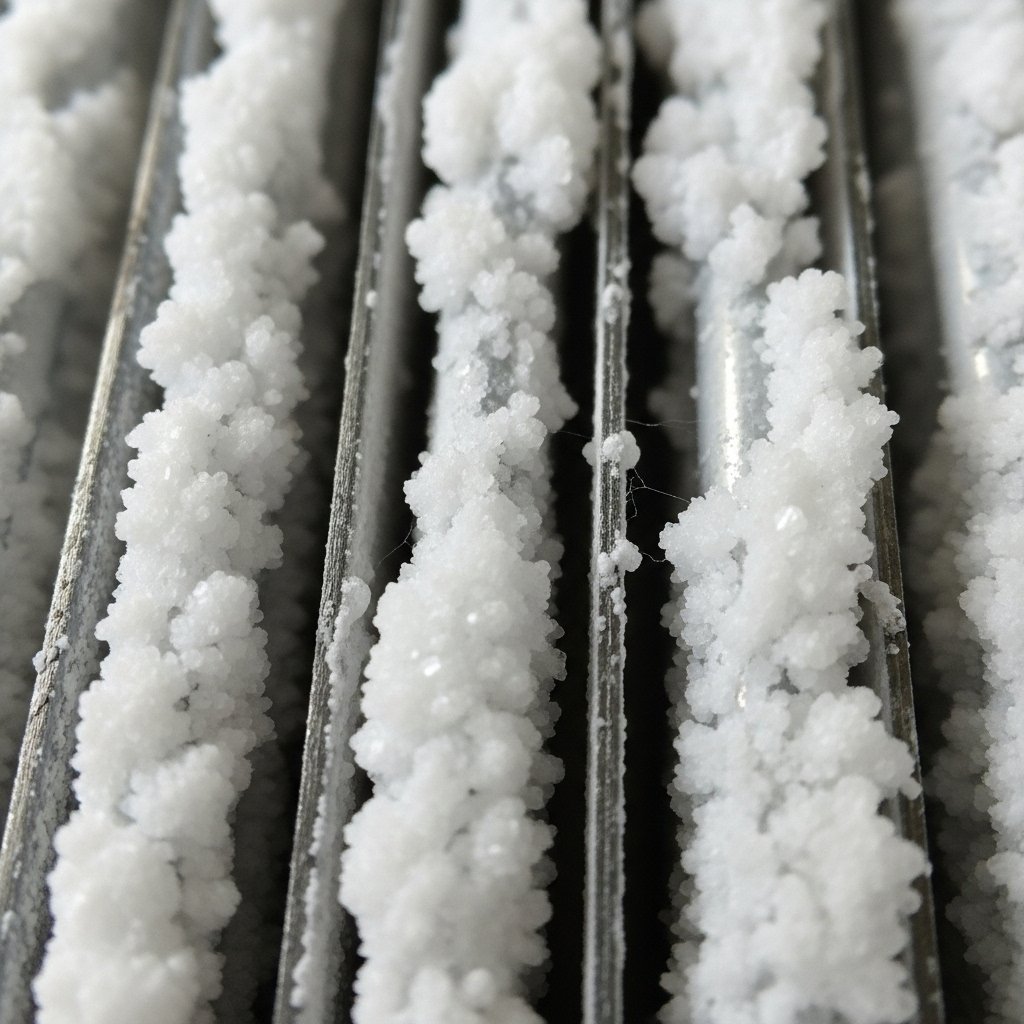
Replacing a salt chlorine generator cell is a significant expense, often costing between $600 and $1,200 depending on your pool size and brand. Most of that cost isn\'t for the plastic housing; it is for the precious metal coatings—typically ruthenium or iridium—applied to the titanium plates inside. These coatings are the engine of your pool’s sanitation system, and they are surprisingly fragile. When calcium scale builds up, the instinct is to blast it off with the highest pressure available. However, finding the safe psi for cleaning pool salt cell plates is the difference between a clean cell and a useless piece of scrap metal.
If you use too much force, you aren\'t just removing calcium; you are stripping away the microscopic layers of catalyst that allow electrolysis to happen. Once that coating is gone, the cell can no longer produce chlorine, no matter how clean it looks. This guide focuses on the delicate balance of mechanical force and chemical cleaning required to maintain your salt system without voiding your warranty or destroying your equipment.
Understanding the Fragility of Salt Cell Plates
To understand why safe water pressure for rinsing salt chlorine generator components is so low, you have to look at how these plates are constructed. They are not solid blocks of metal. Instead, they are titanium grids or plates coated with a specialized oxide layer. This layer is what facilitates the conversion of salt water into sodium hypochlorite (liquid chlorine).
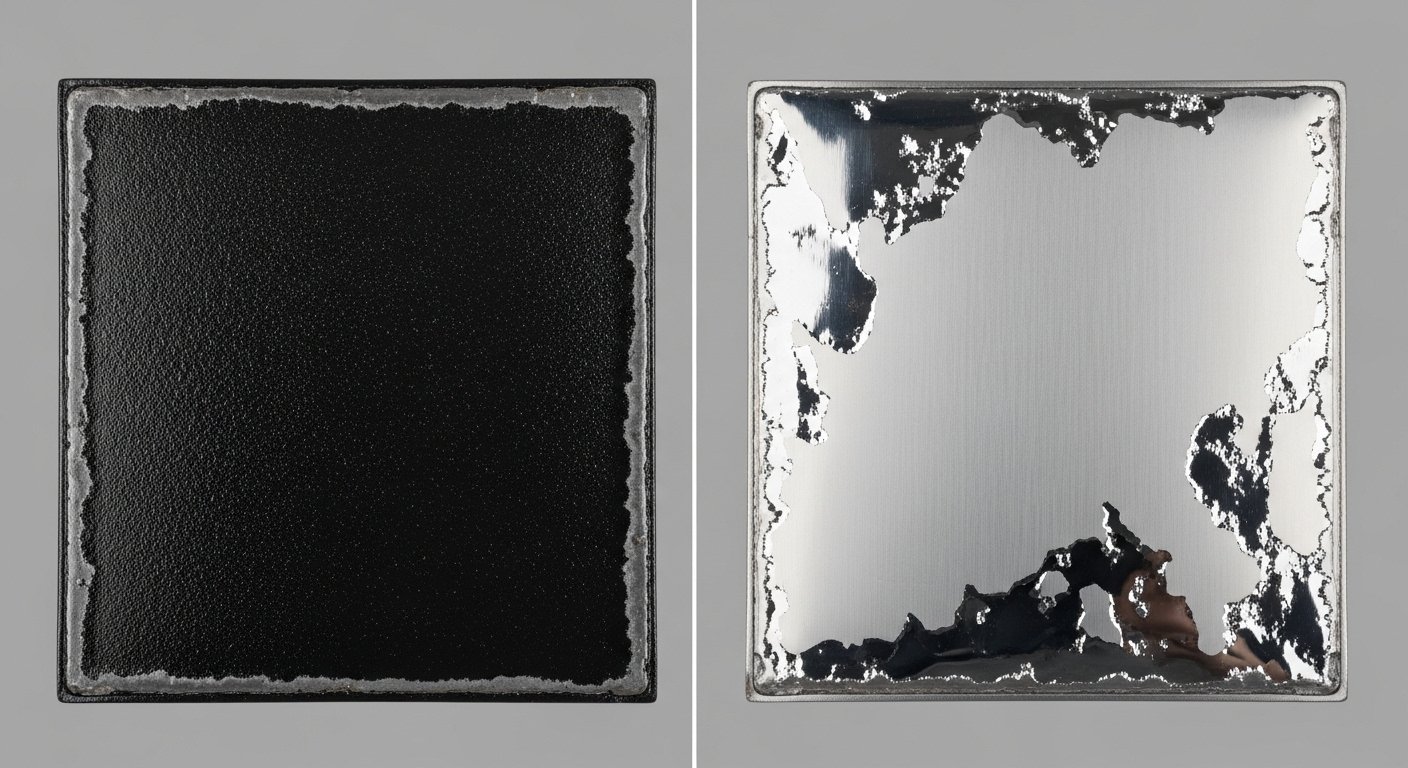
High-pressure water acts like a sandblaster on these surfaces. While titanium itself is incredibly strong and corrosion-resistant, the catalytic coating is brittle. If you apply a concentrated jet of water directly onto the plates, you risk "delamination"—a process where the coating flakes off. Once the titanium is exposed, it will no longer generate chlorine efficiently, and the cell will eventually trigger a "low salt" or "inspect cell" light even if your water chemistry is perfect.
The Magic Number: What Pressure to Use When Cleaning Pool Salt Cell
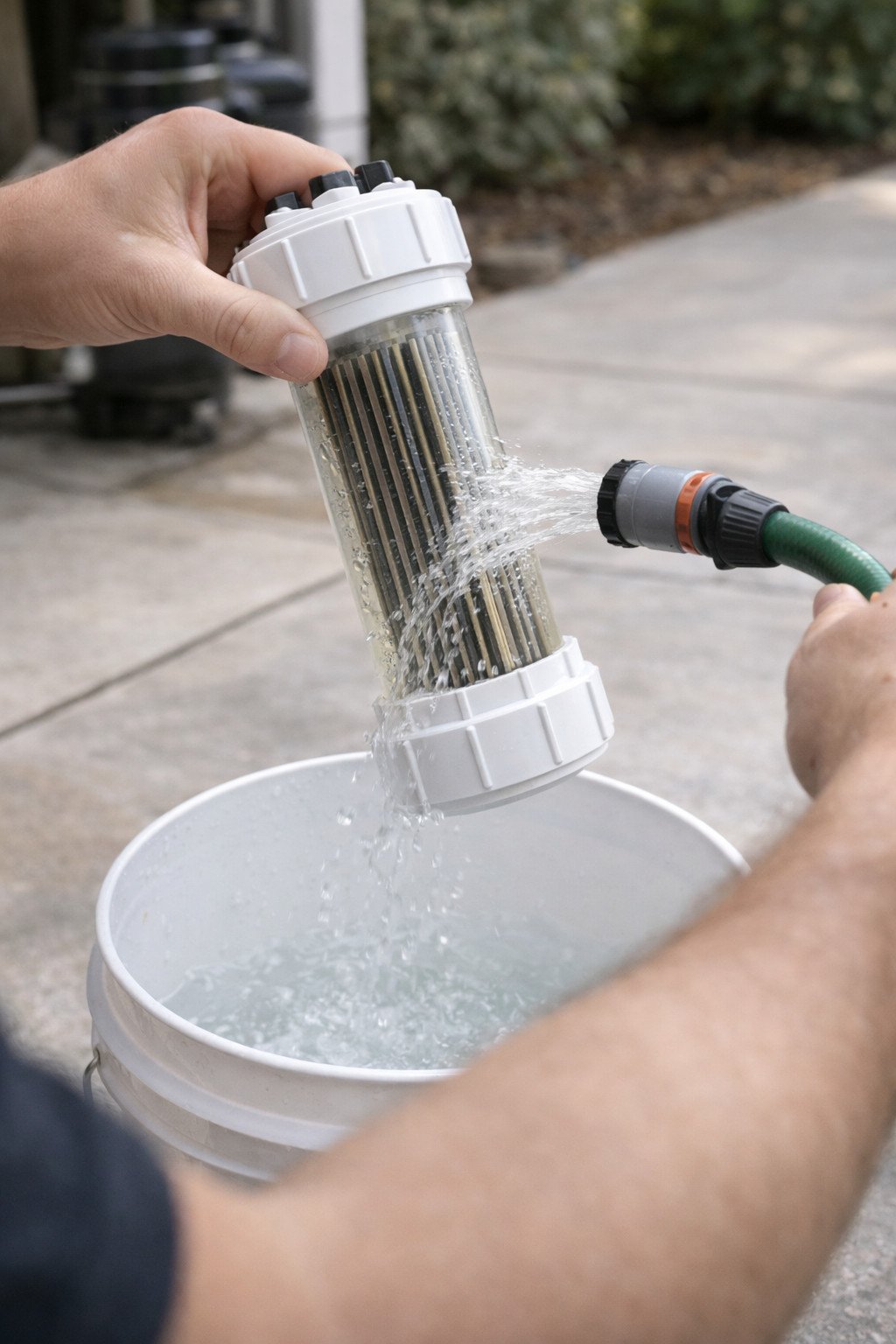
The safe psi range for using a garden hose on salt cell plates is typically between 40 and 80 PSI. This is the standard pressure for most residential outdoor faucets. When you use a standard garden hose with a multi-position nozzle, the "flat" or "shower" settings are generally the safest. You should avoid the "jet" setting, as it concentrates the 60 PSI into a very small, high-velocity stream that can vibrate the plates and cause micro-cracks in the coating.
If you are wondering about the maximum psi for acid washing pool salt cell rinsing, the rule of thumb is this: if it hurts your hand to hold it in front of the stream, it is too much pressure for the cell plates. The goal of the water is to rinse away loose debris and the remaining acid solution, not to mechanically "chisel" the calcium off.
Can Too Much Pressure Damage Salt Cell Plates?
The short answer is a resounding yes. Beyond delamination, high pressure can lead to physical deformation. The plates inside a salt cell (often referred to as fins) are spaced precisely—sometimes only millimeters apart. This spacing is critical for the flow of electricity and water. If too much pressure damages salt cell plates by bending them, you create "hot spots."
When plates touch or get too close, the electrical current arches, causing localized overheating. This can melt the plastic housing of the cell or cause the internal electronics to fail. A salt cell cleaning pressure guide for pool owners should always emphasize that chemistry should do the heavy lifting, not physical force. If the scale doesn\'t come off with a gentle rinse, it needs more time in the acid bath, not more PSI.
The Danger of Pressure Washers
Many homeowners ask about the best pressure washer setting for cleaning salt chlorinator units. The honest expert advice is: do not use a pressure washer. Even the lowest setting on a standard electric pressure washer usually starts at 1,200 PSI. This is roughly 20 to 30 times the pressure of a standard garden hose. At this velocity, the water can easily strip the ruthenium coating in seconds. If you absolutely insist on using one, you must use a wide-angle 40-degree nozzle (the white one) and keep the wand at least three feet away from the cell, but even then, the risk outweighs the reward.
How to Clean Pool Salt Cell Without Damaging Fins
The safest way to clean the cell is a three-stage process that prioritizes chemical dissolution over mechanical blasting. This ensures you never have to guess about recommended psi for muriatic acid rinse on salt cell maintenance.
- Step 1: The Preliminary Flush: Use a garden hose on a "center" or "flat" setting to wash out loose debris, hair, or large flakes of calcium. Do not stick the hose nozzle inside the cell; keep it a few inches back.
- Step 2: The Chemical Soak: Use a solution of 4 parts water to 1 part muriatic acid. Always add acid to water, never the other way around. Submerge the plates (using a cleaning stand) and let it fizz. The fizzing is the acid reacting with the calcium. When the fizzing stops, the calcium is gone.
- Step 3: The Low-Pressure Final Rinse: Once the soak is done, rinse the cell thoroughly with the same 40-60 PSI garden hose. This removes the acidic residue which, if left to dry, can also damage the plates over time.
The Role of Water Chemistry in Reducing Cleaning Frequency
The reason we even discuss safe psi for cleaning pool salt cell plates is that calcium buildup (scaling) occurs. If you manage your water chemistry effectively, you might only need to clean your cell once a year or even less. Frequent cleaning, even at safe pressures, gradually wears down the plates.
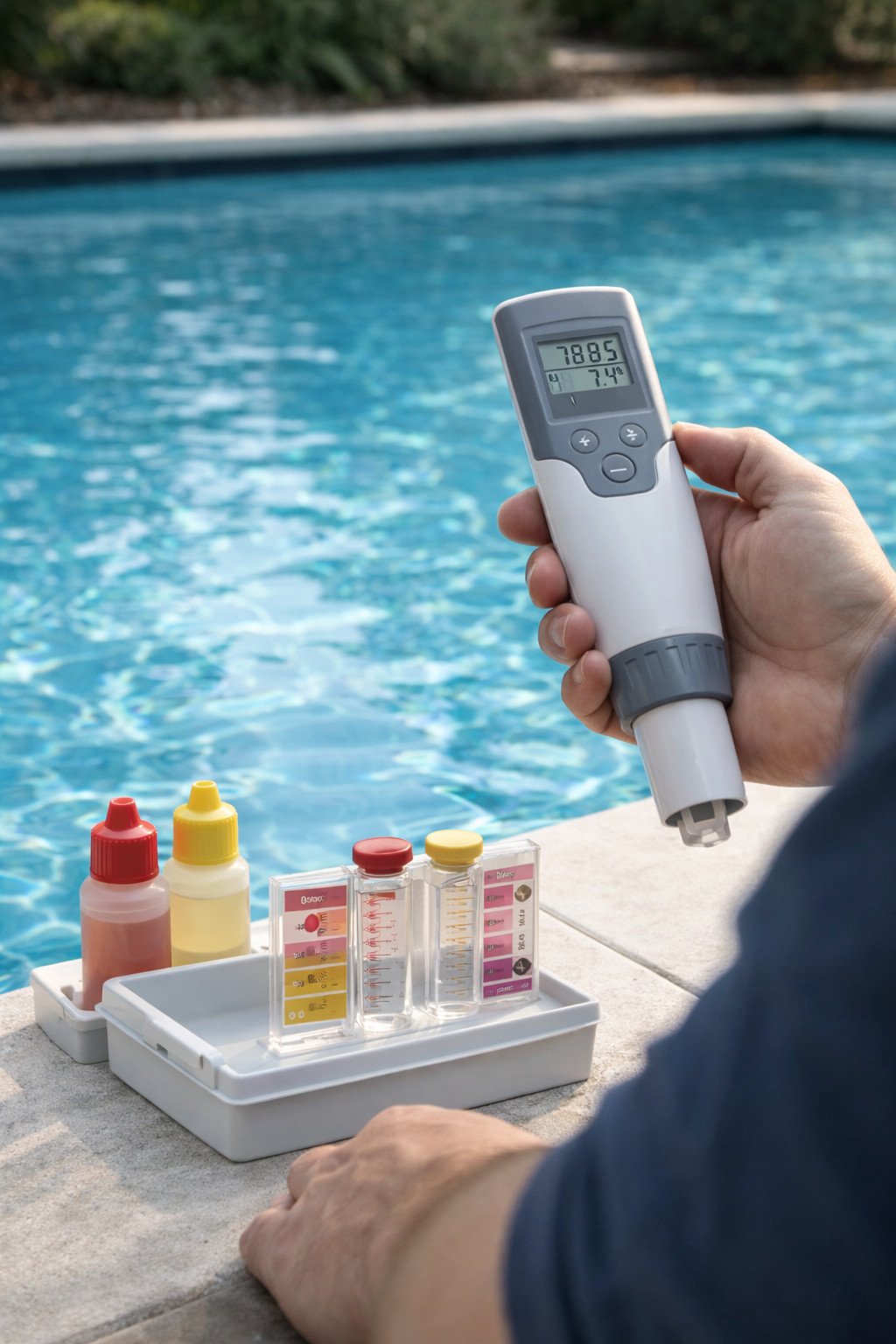
The Langelier Saturation Index (LSI) is your best friend here. If your LSI is balanced (between -0.3 and +0.3), calcium stays dissolved in the water. If your LSI is high (over +0.3), the heat generated inside the salt cell will cause calcium to "drop out" of the water and stick to the plates. Keeping your pH between 7.2 and 7.4 and your calcium hardness around 200-400 ppm will significantly reduce the need for high-pressure cleaning.
Tools for Safe Salt Cell Maintenance
If you find that a garden hose isn\'t enough to clear out a stubborn bridge of calcium, avoid the temptation to reach for a screwdriver or a metal scraper. Scraping the plates is even more damaging than high-pressure water. Instead, use these tools for a DIY guide safe pressure for salt cell maintenance:
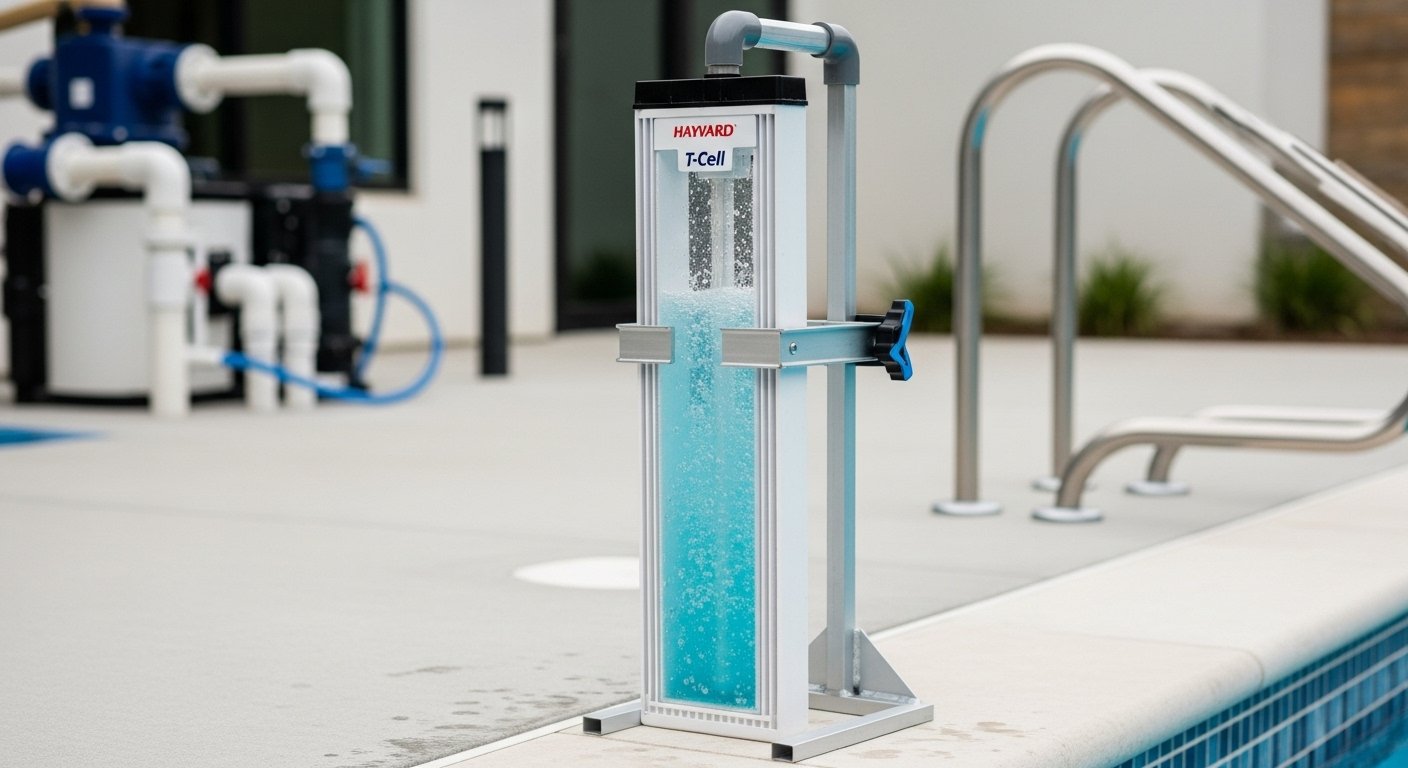
- Plastic Cell Cleaning Stand: This allows you to stand the cell upright and fill it with acid solution, ensuring only the plates are submerged and the electronic cord remains dry.
- Soft Plastic Spatula: If there are loose flakes that won\'t rinse away, a very soft plastic or wood tool can be used to gently nudge them, provided you do not scratch the plate surface.
- Digital Scanners: Many modern salt systems have a "diagnostic" mode that tells you the instant salt level and cell amperage. Use these to monitor health rather than physically inspecting and rinsing every week.
Common Mistakes to Avoid
Even with the right safe water pressure for rinsing salt chlorine generator components, homeowners often make errors that lead to premature cell failure. One common mistake is "over-cleaning." Just because there is a tiny speck of white on a plate doesn\'t mean it needs an acid bath and a pressure rinse. Most manufacturers recommend cleaning only when the scale covers more than 10% of the plate surface or when the "inspect cell" light triggers.
Another mistake is using high-pressure air. Some people try to "blow out" the cell with an air compressor. This is extremely dangerous. Compressed air can reach much higher pressures than water and can cause the plates to vibrate at frequencies that shatter the brittle catalytic coating.
The Temperature Factor
When rinsing your cell, the water temperature matters as much as the PSI. Avoid using boiling water or extremely hot water. The thermal shock of moving from a cool acid bath to a hot water rinse can cause the titanium plates to expand and contract too quickly, leading to cracks in the coating. Lukewarm or cool water from the hose is always the best choice for a safe psi for cleaning pool salt cell plates.
Detecting Pressure Damage: What to Look For
If you are concerned that you or a previous owner might have used too much pressure, there are visual cues to look for. Healthy plates should be a dark grey or black color and have a slightly rough, matte texture. If you see areas that are shiny, silver, and smooth, the coating has been stripped away, likely by high-pressure water or excessive acid soaking. This is titanium "ghosting," and it indicates that the cell\'s lifespan has been drastically shortened.
Additionally, look at the edges of the plates. If they are curled, wavy, or bent, high-pressure water has been used. A salt cell cleaning pressure guide for pool owners isn\'t just about the current cleaning; it\'s about preserving the physical integrity of the plates for their expected 3-to-5-year lifespan.
Conclusion
Maintaining a salt pool is a masterclass in "less is more." While it is tempting to use high-pressure tools to speed up the maintenance process, the safe psi for cleaning pool salt cell plates remains firmly in the range of a standard garden hose. By relying on a 4:1 water-to-acid ratio and a gentle 40-80 PSI rinse, you protect the precious metal coatings that make your pool\'s sanitation possible.
Ultimately, the best way to clean a salt cell is to prevent it from getting dirty in the first place through meticulous water chemistry. But when the time comes for maintenance, remember: let the chemicals do the scrubbing, and let the hose do the rinsing. Your wallet—and your pool\'s clarity—will thank you.