What Detergents Can You Use in a Power Washer? (2026 Guide)
Introduction: Why Choosing the Right Detergent Matters for Your Machine and Your Home
When you first unbox a high-powered pressure washer, the temptation to point it at every dirty surface and blast away with pure water is overwhelming. However, any professional exterior cleaner in the US will tell you that the water is only half the battle. To truly lift stubborn oils, kill mold spores, and break the molecular bond between dirt and your home’s surfaces, you need the right chemical assistance. Choosing the correct detergent isn't just about getting a better shine; it is about protecting your significant investment in your home and the machine itself.
Using the wrong chemicals can lead to catastrophic pump failure, corroded seals, or even permanent damage to your landscaping and siding. In this guide, we will break down the science of what detergents can you use in a power washer, ensuring you achieve a professional-grade clean without a trip to the repair shop. Whether you are tackling a greasy driveway or delicate vinyl siding, understanding the chemistry of "the soak" is your first step toward mastery.
Soap vs. Detergent: Understanding the Chemistry
In common conversation, we use the words "soap" and "detergent" interchangeably, but in the world of power washing, they are fundamentally different. Understanding this distinction is the secret to avoiding those white, streaky residues that often plague DIY projects.
Soap is a natural product made from fats and oils combined with an alkali. While soap is excellent for personal hygiene, it has a significant drawback when used in power washers: it reacts with minerals in hard water to create "soap scum" or calcium carbonates. If you live in an area with hard water, using a traditional soap can actually leave your house looking worse than when you started.
Detergents, on the other from, are synthetic man-made surfactants. They are specifically engineered to remain soluble even in hard water. They don't leave a film behind and are much more effective at emulsifying grease and oil. Most "pressure washer soaps" sold at big-box retailers are actually detergents. When looking for the best pressure washer soap for vinyl siding, you are almost always looking for a detergent-based formula.
Why standard soaps can clog your nozzles
Standard household soaps often have a higher viscosity than specialized pressure washer detergents. Because the orifice in a pressure washer nozzle is incredibly small—sometimes as thin as a needle—thick, non-emulsified soap particles can quickly lead to clogs. Furthermore, soaps can coagulate inside the pump’s internal valves if not flushed perfectly, leading to a loss of pressure or a total mechanical breakdown. Detergents are designed to flow freely and rinse away completely, protecting the internal components of your machine.
Safe Household Alternatives for Your Power Washer
Many homeowners find themselves halfway through a project only to realize they’ve run out of specialized solution. This leads to the most common question in the DIY community: "Can I just use what's under the kitchen sink?" While the answer is occasionally yes, there are strict rules to follow to avoid damaging your equipment.
Can you use Dawn dish soap in a pressure washer?
The short answer is: Yes, you can use Dawn dish soap in a pressure washer, but only if you follow specific dilution ratios. Dawn is a legendary degreaser and is remarkably effective at breaking down organic oils. However, it is also a high-sudsing agent. If you put straight Dawn into a detergent tank, you will create a "foam-pocalypse" that can starve the pump of water and lead to cavitation.
To use it safely, mix approximately 1 ounce of Dawn per gallon of water. It is most effective for spot-cleaning small oil spills on concrete or as a pre-treatment for heavily soiled areas. However, for large-scale projects like washing a whole house, Dawn lacks the specialized mildewcides found in professional siding cleaners.
Using vinegar as a natural cleaning agent
If you are looking for an eco-friendly pressure washer soap for decks or siding, white vinegar is a surprisingly potent tool. Vinegar is acidic, making it excellent for killing mold and removing hard water stains from windows and metal surfaces.
However, a word of caution: acidity can be hard on the rubber seals and O-rings inside your power washer. If you use a vinegar solution (typically a 30/70 vinegar-to-water mix), always flush your machine with clean water for at least five minutes afterward to ensure no acid remains in the system. Vinegar is best applied through a downstream injector to minimize its time spent inside the pump hardware.
Surface-Specific Detergent Guide
Different surfaces require different chemical approaches. Using a heavy-duty driveway degreaser on your car's paint job would be a disaster, just as using a gentle car soap on a moldy fence would be a waste of time.
Best detergents for vinyl siding and home exteriors
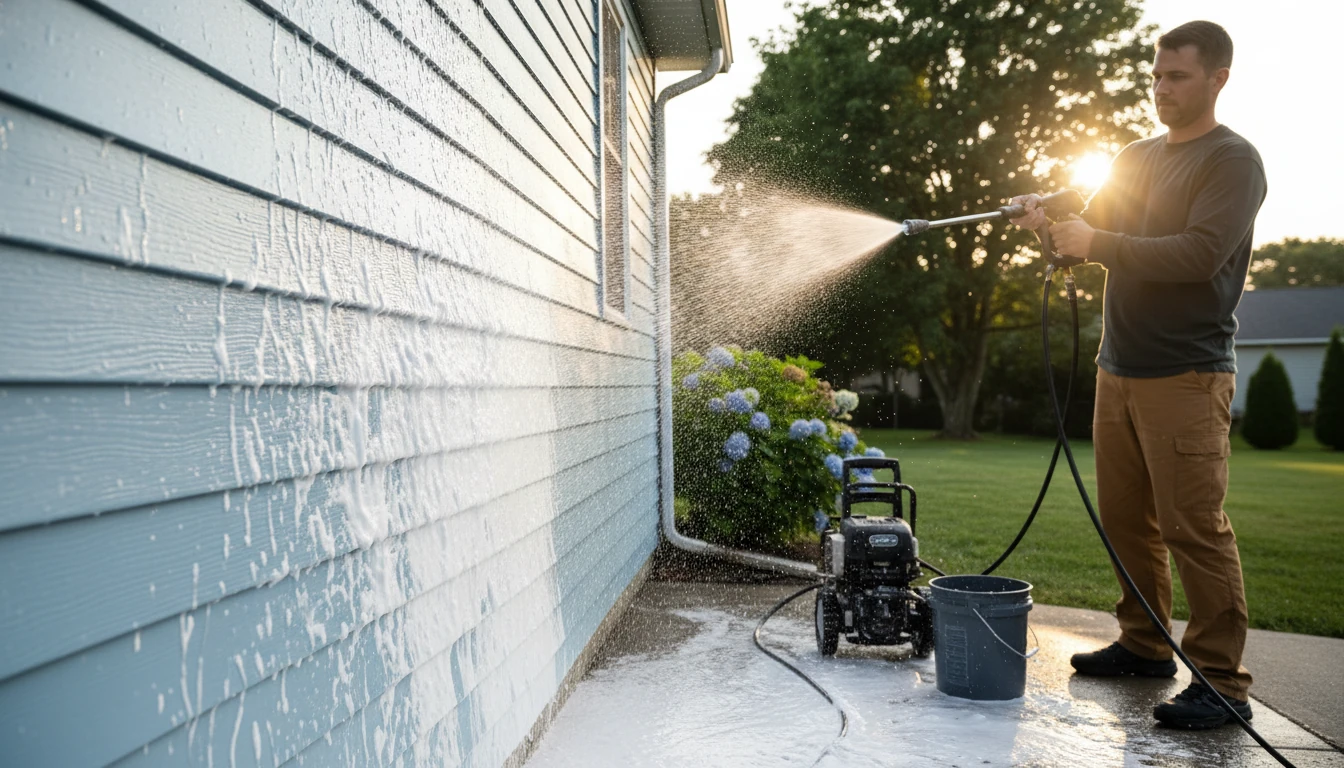
Vinyl siding is susceptible to "green creep"—the growth of algae and moss in the overlaps of the panels. The best pressure washer soap for vinyl siding usually contains a combination of surfactants and a mild sodium hypochlorite (bleach) base. This doesn't just move the dirt; it kills the organic spores to prevent regrowth. Look for products labeled "House Wash" that are safe for siding and won't strip the oxidation layer off the vinyl.
Heavy-duty degreasers for concrete driveways and garages
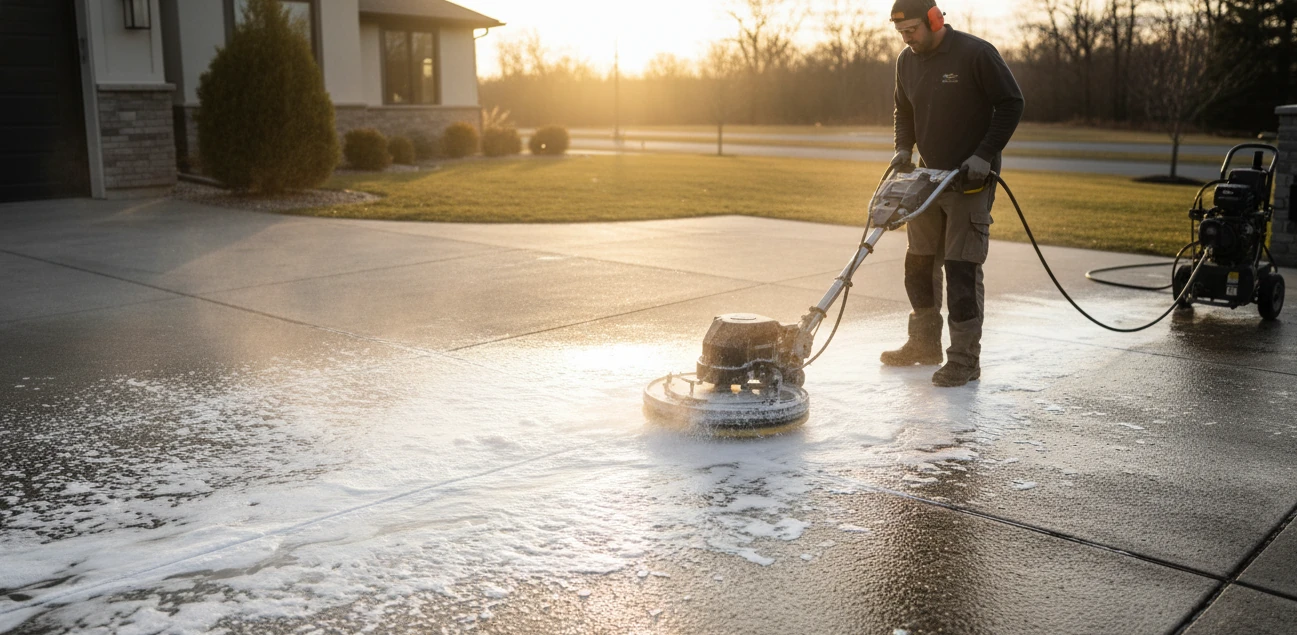
Concrete is porous, meaning oil and grease soak deep into the surface. A standard soap won't cut it. You need a heavy duty degreaser for pressure washer driveway applications. These are usually alkaline-based cleaners that "pull" the oil to the surface. Products like Simple Green (the industrial purple or heavy-duty pro versions) are staples here. When using Simple Green in a pressure washer, let it dwell on the concrete for 10-15 minutes without letting it dry before hitting it with high pressure.
Specialized wood cleaners for decks and fences
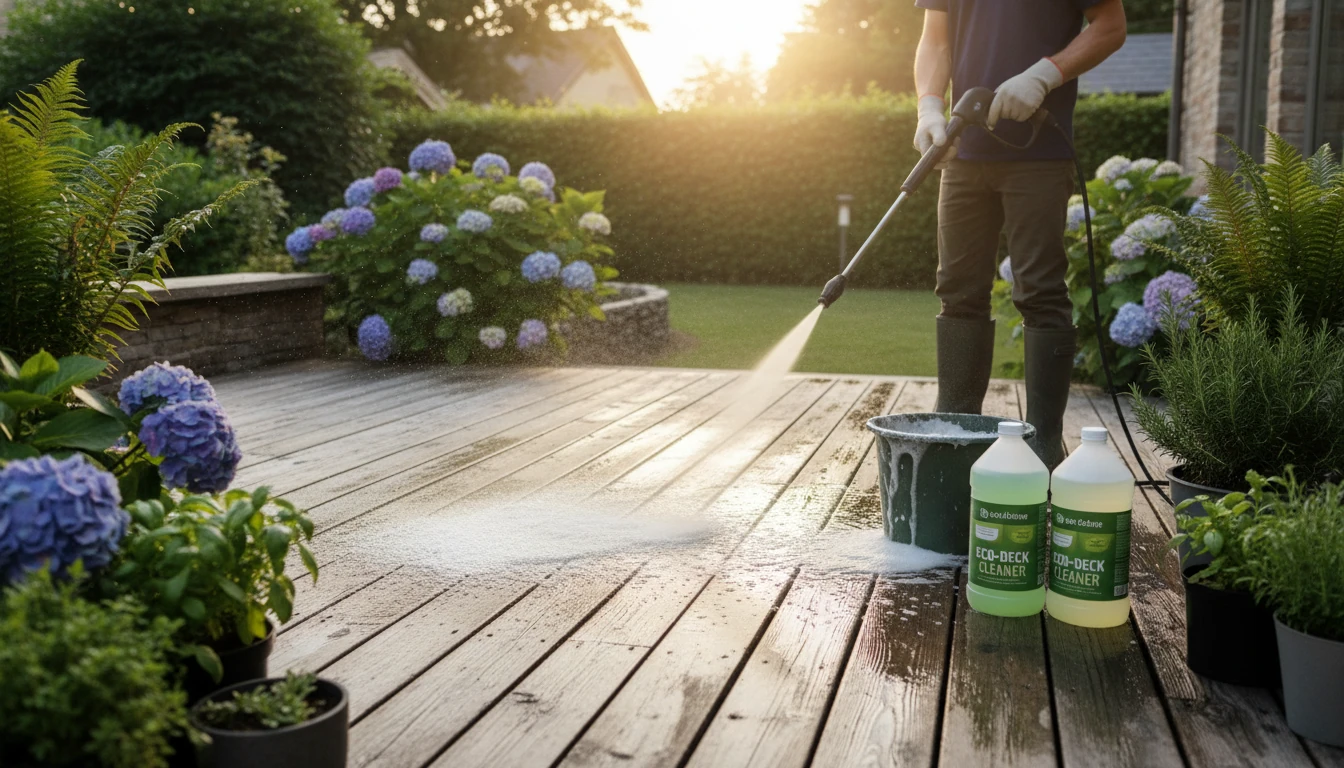
Wood is a living, breathing material. Using harsh bleaches can "fuzz" the wood fibers (lignin), making the deck feel like sandpaper. For decks, look for oxygen-based cleaners (sodium percarbonate). These are often sold as "Wood Brighteners" or "Deck Cleaners." They lift the gray, dead wood fibers and kill mildew without the structural damage associated with chlorine bleach.
Car wash soaps and foam cannon compatibility
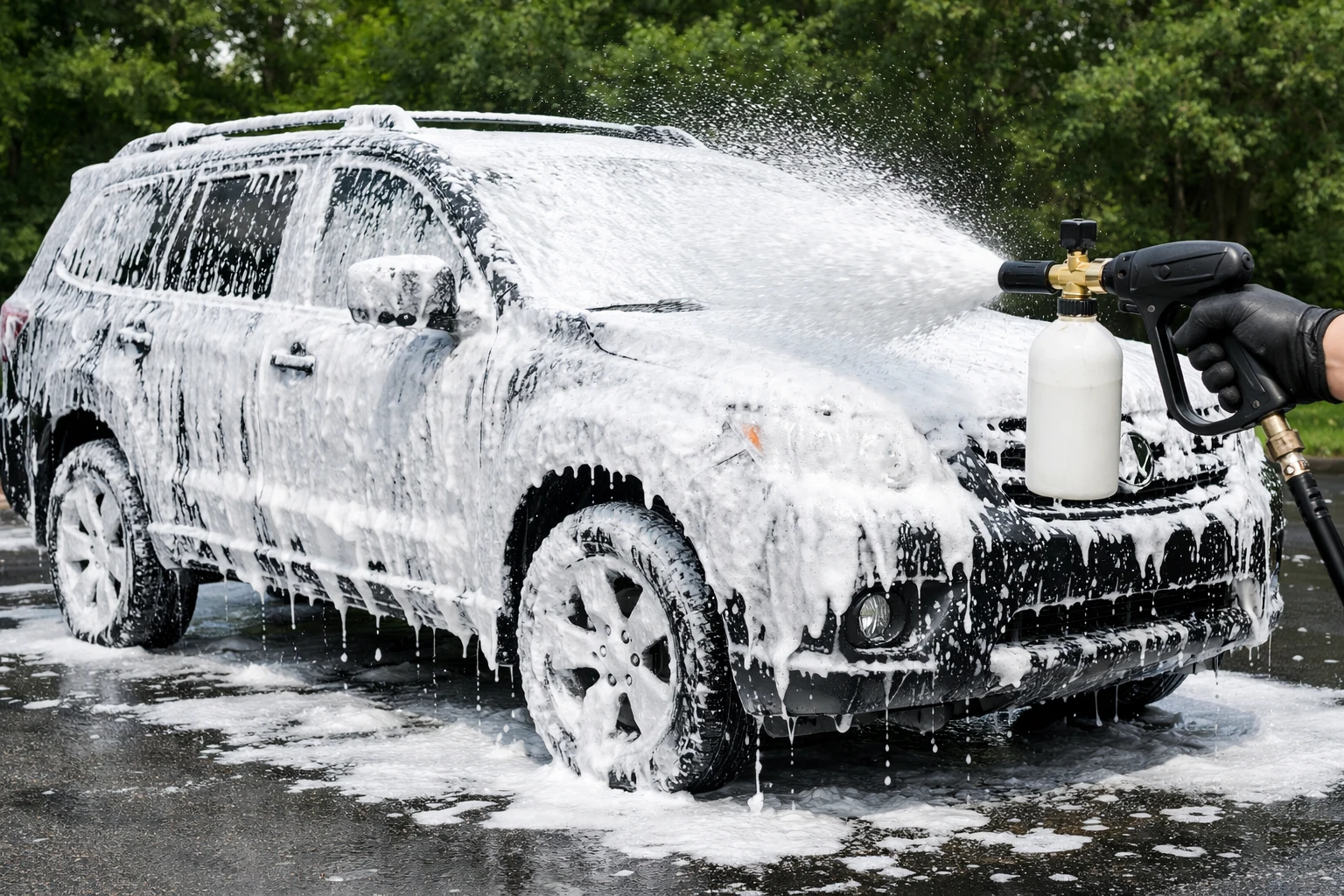
Automotive finishes require a pH-neutral detergent that provides high lubricity to prevent scratching. This is where best pressure washer detergent for cars and trucks comes into play. If you have an electric pressure washer, these machines are perfect for "foam cannons." A foam cannon mixes air, water, and specialized soap to create a thick "shaving cream" consistency that dwells on the car, safely lifting grit away from the clear coat.
Chemicals to Avoid in Your Power Washer
While the right chemicals make work easy, the wrong ones can be dangerous to you and the environment. Some substances should never be put through your machine’s pump.
The dangers of using bleach and ammonia
Bleach (Sodium Hypochlorite): While professionals use bleach for "soft washing," you should never put straight bleach into your pressure washer’s detergent tank unless the manual explicitly states the pump is "bleach-safe." Bleach is highly corrosive to brass and rubber. If you must use bleach, apply it with a separate plastic pump sprayer or ensure you are using a downstream injector (more on that below).
Ammonia: Never mix ammonia with bleach (it creates toxic chloramine gas) and avoid using it in your pressure washer. Ammonia can react poorly with the aluminum components common in many pump manifolds, leading to pitting and eventual failure.
Motor Oil or Solvents: It might seem obvious, but never use flammable solvents or gasoline-based cleaners. The high pressure and potential heat from the engine can turn these into a fire hazard or an environmental disaster.
How to Apply Detergent Correctly
Efficiency in power washing isn't just about what you use, but how you apply it. There is a specific workflow that pros use to ensure a streak-free finish.
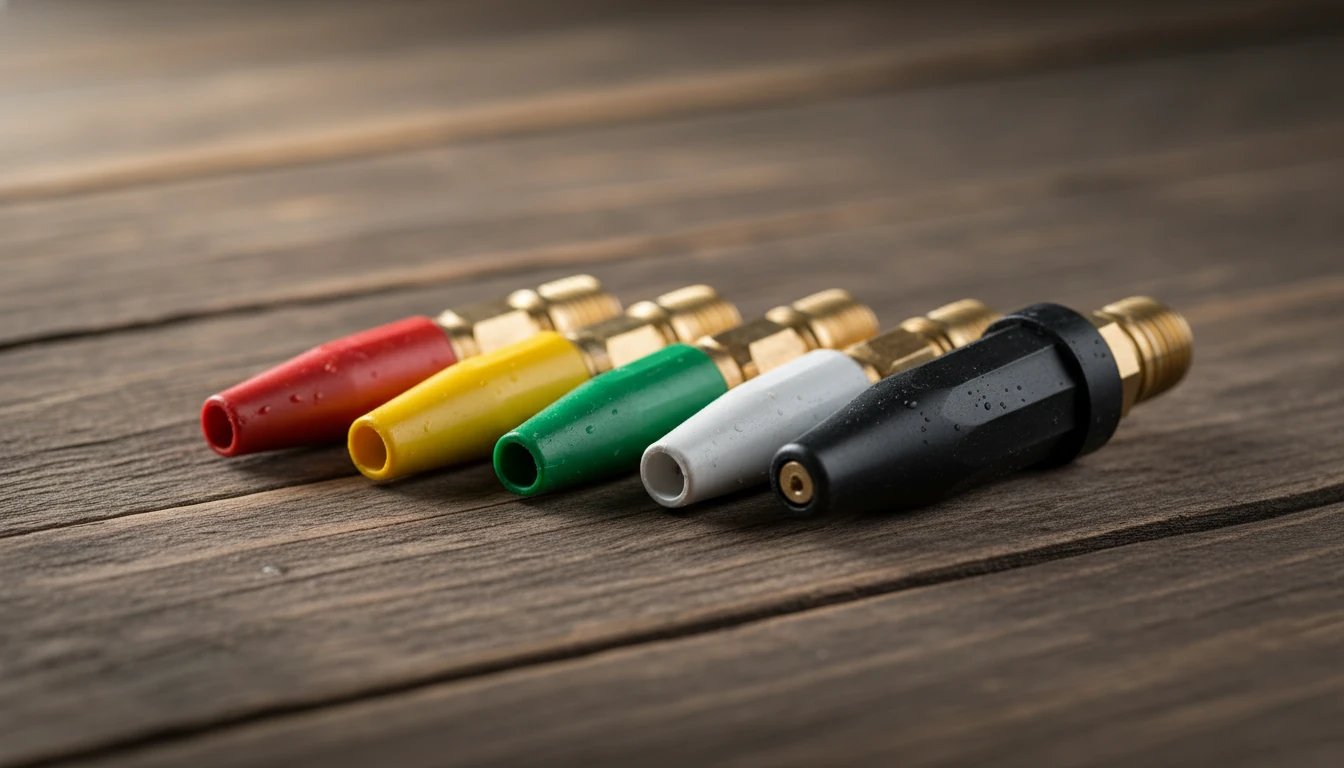
Using the soap nozzle (black tip)
Most gas-powered pressure washers come with a set of 4 or 5 color-coded tips. The black tip is the "soap nozzle." It has a much wider orifice, which drops the pressure of the water stream. This drop in pressure signals the detergent injector to start pulling soap from the tank. If you try to apply soap with the red (0-degree) or green (25-degree) tips, the backpressure will be too high, and the soap will not flow.
Downstream vs. upstream injectors explained
Understanding where your soap enters the water stream is vital for machine longevity.
- Upstream Injectors: These introduce the soap before the water enters the pump. This means the chemicals run through the pump's internal components. This is generally discouraged for any harsh chemicals.
- Downstream Injectors: These are located after the pump. The water leaves the pump at high pressure, passes through a venturi valve, and pulls the soap in. This is the gold standard because the detergent never touches your expensive pump hardware. Most modern safe detergents for electric pressure washers utilize this method.
Environmental Safety: Choosing Biodegradable Options
In the US, many municipalities have strict "Clean Water Act" regulations regarding what can go down the storm drains. When you wash your driveway, the runoff carries the detergent and whatever it lifted (oil, lead, mold) into the local water system.
Choosing an eco-friendly pressure washer soap isn't just a trend; it's responsible homeownership. Look for the "EPA Safer Choice" label. These products are rigorously tested to ensure they break down quickly in the soil and won't kill your grass or harm local aquatic life. Simple Green and certain "Oxy" cleaners are excellent examples of powerful cleaners that won't ruin your flower beds or poison the groundwater.
Frequently Asked Questions about Power Washer Soaps
Can I make a homemade pressure washer detergent for concrete?
Yes. A popular DIY recipe involves mixing 1 gallon of water, 1/3 cup of phosphate-free laundry detergent (like Tide), and a small amount of household degreaser. This provides enough "slip" for the pressure washer while effectively lifting dirt. Always pre-dissolve any powder detergents in warm water to avoid clogging your injector.
Are all detergents safe for electric pressure washers?
Electric units generally have lower GPM (Gallons Per Minute) than gas units. Always look for safe detergents for electric pressure washers that specifically mention compatibility with low-flow systems. If the soap is too thick, an electric pump may struggle to prime the injector.
Do I need to wet the surface before applying soap?
Generally, yes. Wetting the surface with plain water cools the material and prevents the detergent from drying too quickly. However, don't soak it to the point of "sheeting" water, or your detergent will simply slide off without reacting with the dirt.
Conclusion: Maximizing Cleaning Efficiency While Protecting Your Equipment
Mastering the art of pressure washing is about working smarter, not harder. By understanding what detergents can you use in a power washer, you shift the burden of cleaning from the mechanical force of the water to the chemical power of the surfactant. This allows you to use lower pressure, which is safer for your home's surfaces and extends the life of your machine.
Remember the golden rules: Use the black soap nozzle, always opt for downstream injection when possible, and match your chemical to your surface. Whether you are reaching for Dawn dish soap for a quick oil spot or a heavy duty degreaser for the whole garage, proper dilution and thorough rinsing are your best friends. Treat your equipment with respect, choose biodegradable options for the sake of your lawn, and you will enjoy a professional-looking home for years to come.